
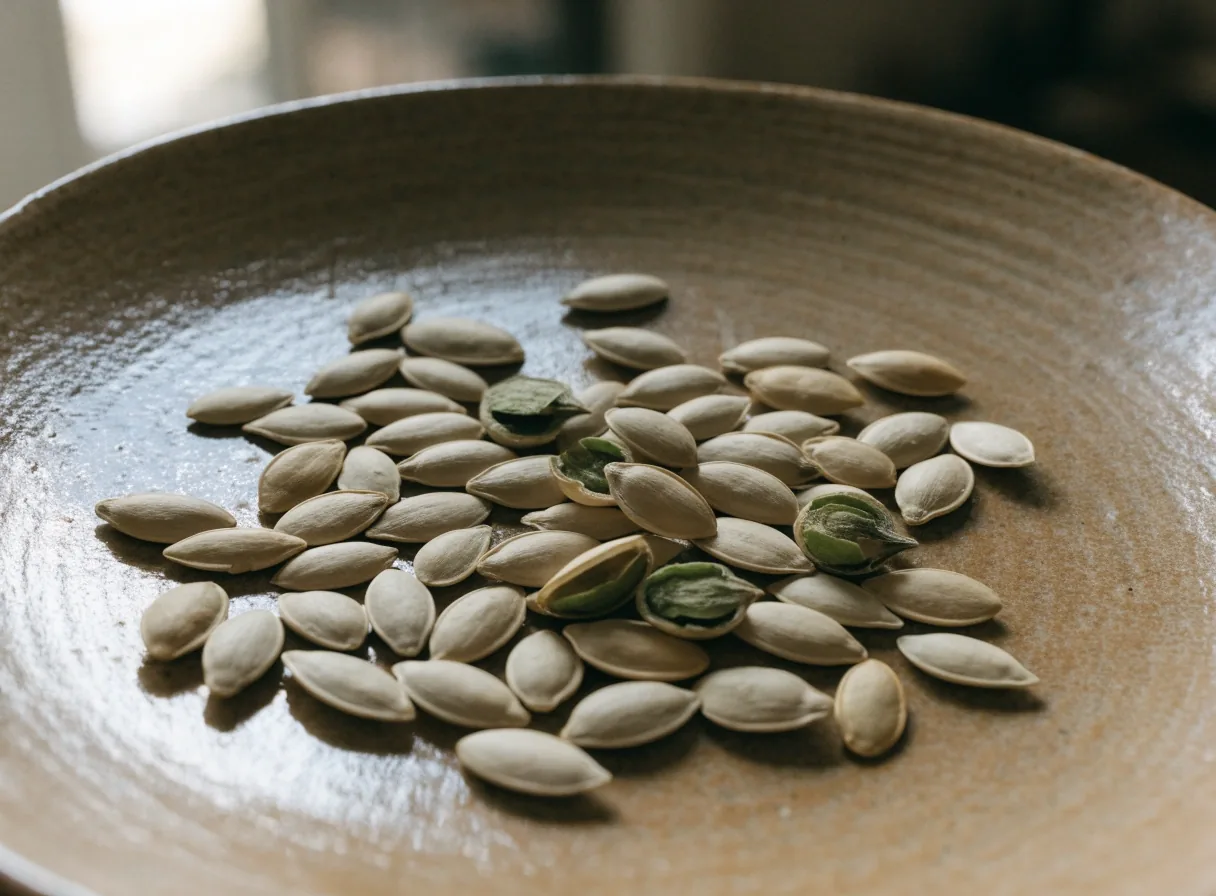
Seeds
Pumpkin seeds
The most frequently cited zinc source in UK fertility nutrition guidance, and the easiest to add to something you already eat.
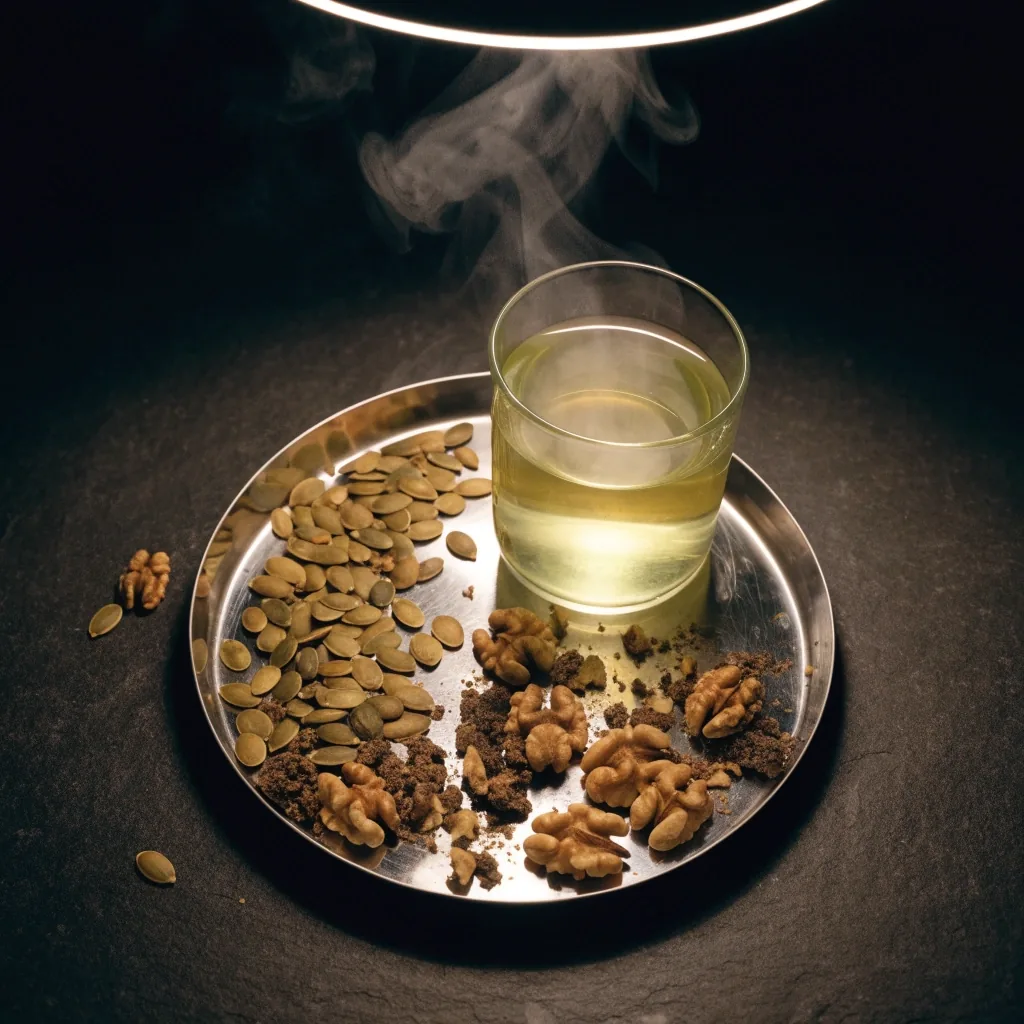
A food-first resource for men in the UK. We explain how pumpkin seeds, walnuts, green tea and other everyday foods fit into normal British eating — and why zinc and selenium keep coming up in fertility nutrition guidance.
Most men in the UK who want to look after their energy and reproductive health do not need a shelf of pills. They need a shopping list.
If you already eat reasonably well, the useful work is usually about frequency and variety — not about adding something exotic. Three small habits, repeated most weeks, do more than a cabinet of capsules.
A food-first approach means you get nutrients from meals you were going to eat anyway, inside a pattern that also brings fibre, protein and healthy fats along with them. The British Nutrition Foundation describes selenium, for example, as needed for normal sperm production and development, and links it to Brazil nuts, fish, meat, poultry and eggs rather than to capsules. That matters, because a single nutrient taken in isolation rarely tells the whole story.
UK resources keep returning to dietary patterns, not single ingredients, and this site follows the same line. We do not sell supplements. We do not tell you a food will transform anything. What we do is gather what UK nutrition bodies actually say about zinc-rich foods, selenium and dietary patterns, and then put it on a plate you would recognise from a normal British week.

None of these foods is a remedy. Together, they cover most of the nutrients the guidance keeps naming.
Six items show up in UK fertility nutrition guidance often enough to be worth knowing by name. All of them are cheap, ordinary, and already on British shelves.
The most frequently cited zinc source in UK fertility nutrition guidance, and the easiest to add to something you already eat.

The shorthand most people learn for selenium. Concentrated enough that two or three nuts is a realistic daily portion, not a bowlful.
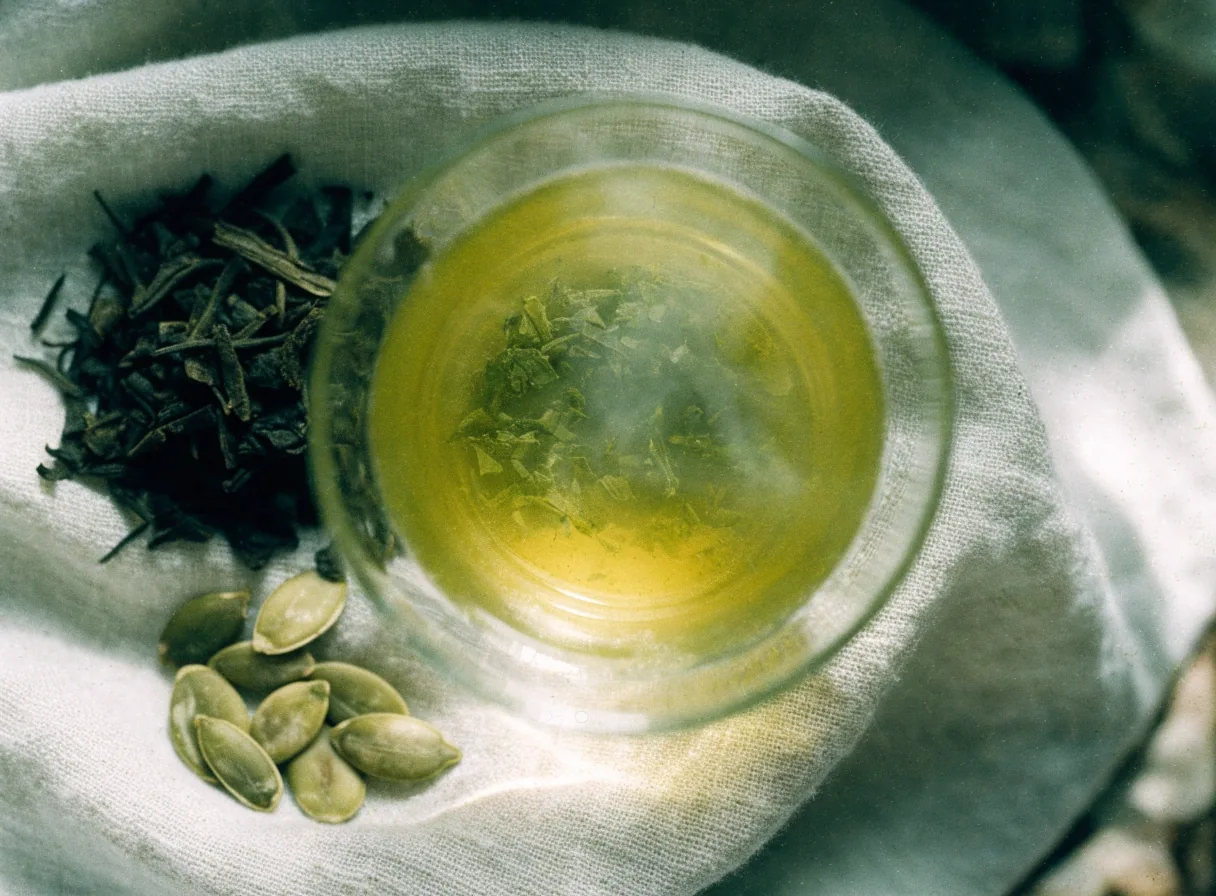
Listed in NHS-affiliated healthy-living content as a herbal tea option, usually grouped with lower-sugar drink choices rather than performance products.
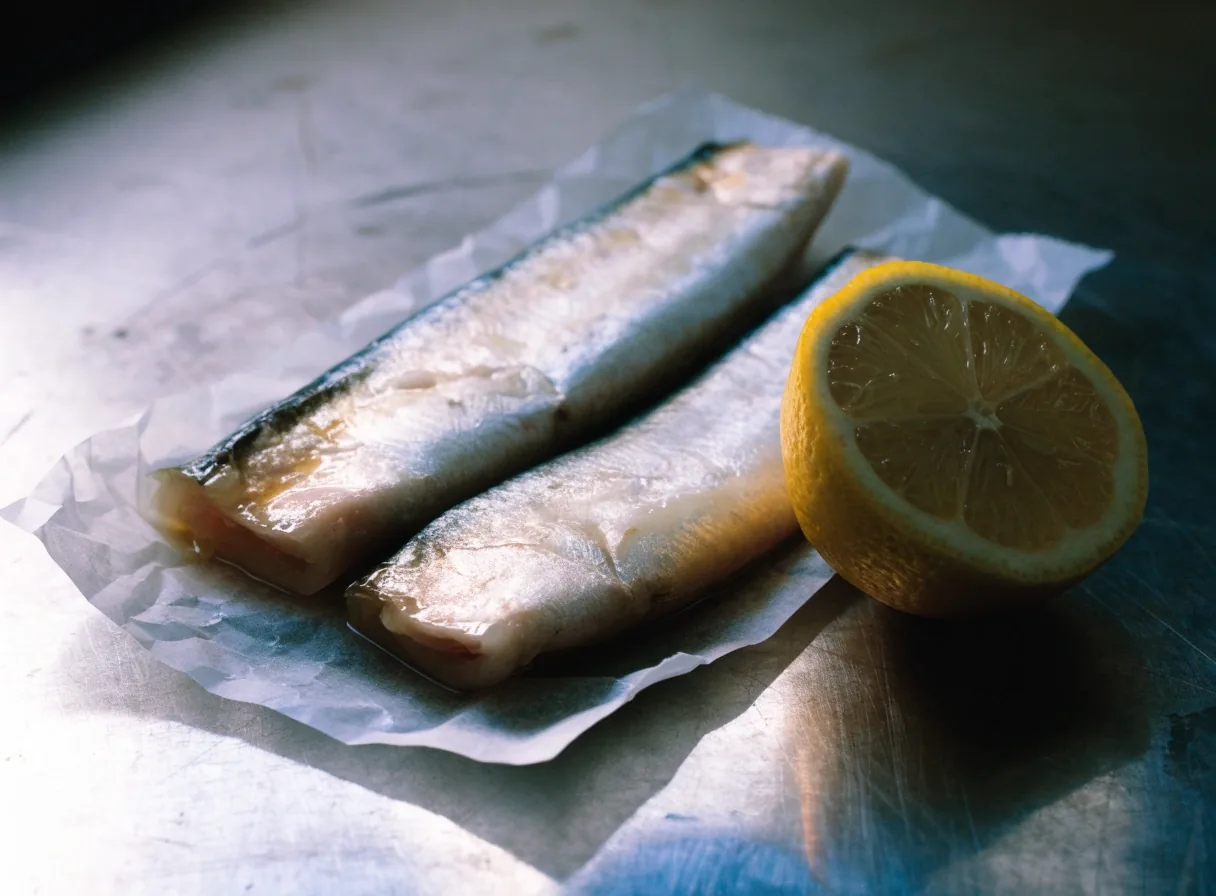
The omega-3 side of the conversation. Tinned sardines, mackerel and salmon remove most of the cost objection.

Sits quietly in the background of the selenium conversation as a provider of zinc-supporting protein.
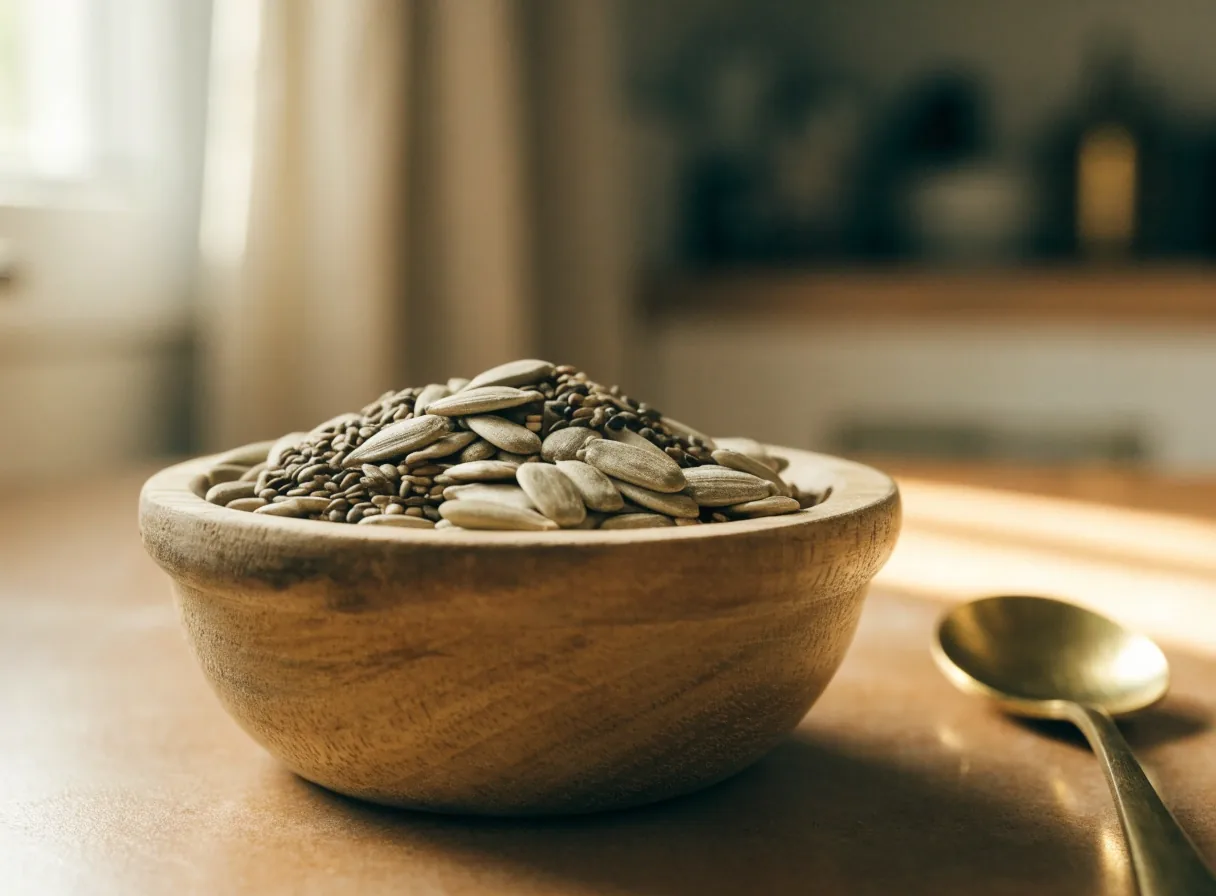
The affordable options that appear in NHS-style plant-based eating advice and BDA fertility guidance alike.
The same nutrients, two routes. Here is what each one actually gives you on an ordinary Tuesday.
Whole foods
Single-nutrient products
Arrives with fibre, protein and healthy fats attached
Arrives with the isolated nutrient only
Cost covered by the weekly shop you were doing anyway
Cost an extra line on the budget every month
Evidence base dietary patterns, which is what UK guidance keeps returning to
Evidence base single nutrients studied in isolation, which is rarely the whole story
Sticking with it easier, because the food is on the plate already
Sticking with it a lot of half-used tubs by February
This site does not sell supplements and makes no medical claims. Where the evidence is thin, we say so.
Zinc-rich foods are the single most repeated phrase in male fertility nutrition content, and seeds do most of the heavy lifting for anyone eating plant-forward. Pumpkin seeds, sesame seeds and sunflower seeds are all practical because they need no cooking and no planning at all.
A spoonful on porridge, a handful in a salad, a tahini dressing on roasted vegetables. That is the entire technique. The point is not a heroic dose on one day; it is having zinc-containing foods show up most days without you thinking about it. Two tablespoons of seeds a day across a week adds up to far more than one enthusiastic Sunday.
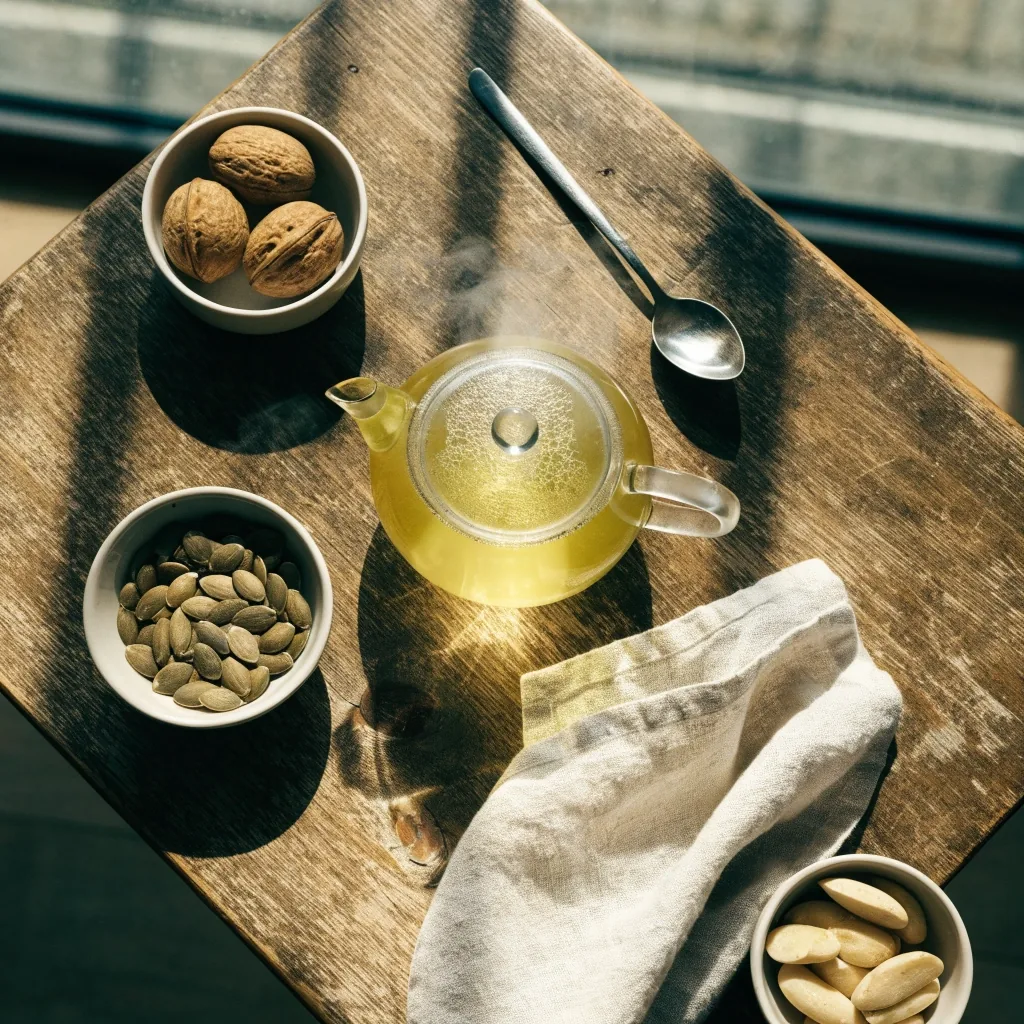
Swap one fizzy drink for a cup of tea you actually enjoy. That is the whole job.
A Mediterranean-style diet is the frame UK male fertility resources keep coming back to: fruits, vegetables, wholegrains, nuts, seeds, healthy fats and fish. You do not need to eat Greek food every night to follow it.
A British version might be wholegrain toast with tahini, a lentil and tomato soup, and grilled mackerel with new potatoes. The pattern matters because it carries zinc, selenium, antioxidants and healthy fats at the same time, in proportions no single food can match. It is also compatible with a normal working week, which most restrictive diets are not.
Understand the Mediterranean patternGreen tea appears in NHS-affiliated healthy-living content as a herbal tea option, usually grouped with lower-sugar drink choices rather than performance products. It is genuinely less directly tied to male fertility than the zinc and selenium foods, and we say so rather than pretending otherwise.
Where it earns its place is as a swap: replacing a third or fourth sugary drink with a tea you actually enjoy. Catechins and general antioxidant appeal get mentioned often. Think of it as a sensible habit inside a low-sugar routine, not a treatment.
Read the foods guideSelenium is one of the central nutrients in male fertility content because it is needed for normal sperm production and development. Brazil nuts are the famous source, and the famous caveat is that they are concentrated: two or three nuts is a realistic daily portion, not a bowlful.
Fish, meat, poultry and eggs also contribute, which is why the guidance tends to describe selenium as something to get from a varied diet. Some UK soils are selenium-poor, so imported Brazil nuts do a lot of work here — one more reason the guidance stops short of pointing you at a single food.
See zinc and selenium foods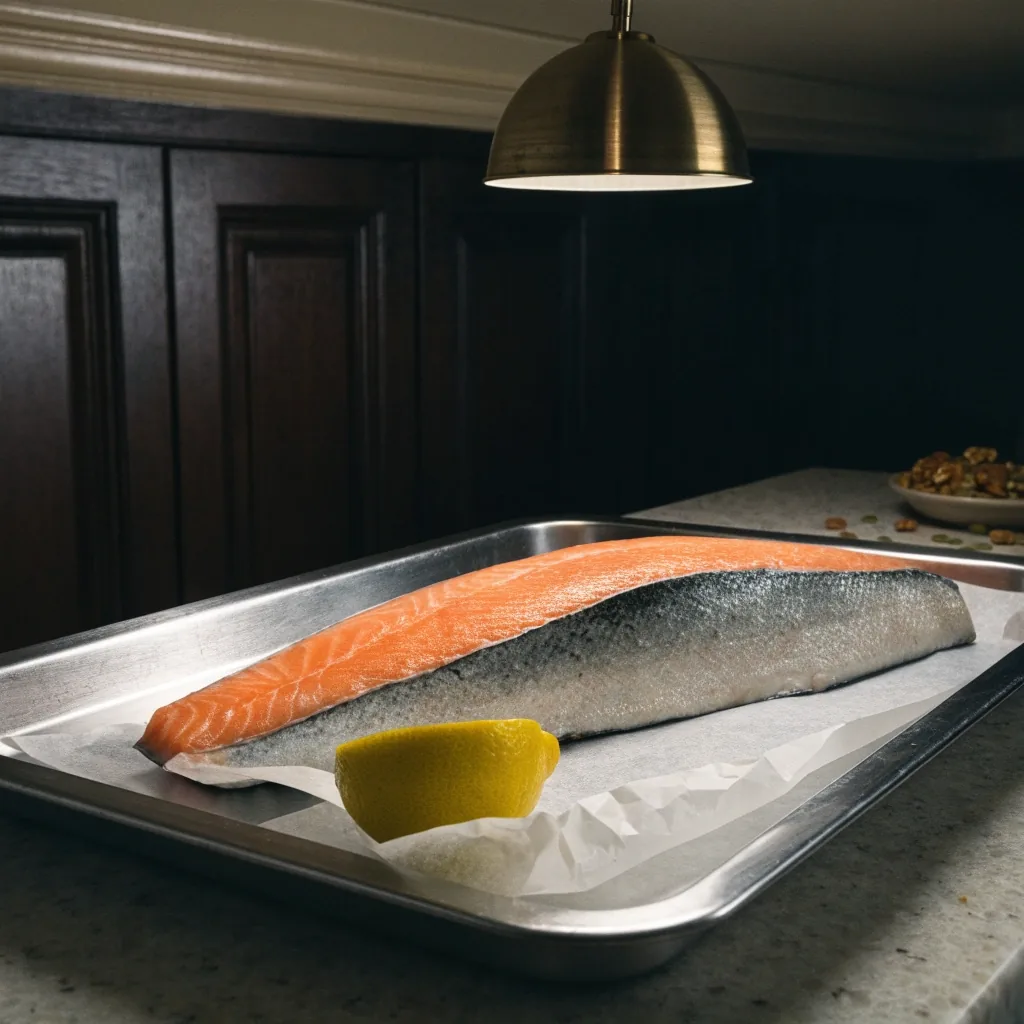
Oily fish keeps appearing in men's fertility meal plans because it represents the omega-3-rich end of healthy eating, and because it fits the Mediterranean pattern so neatly.
UK shoppers have decent access to tinned sardines, mackerel and salmon, which removes most of the cost objection people raise about eating more fish. Tinned fish on toast, a salmon fillet on a Tuesday, sardines stirred through pasta: all of it counts.
The guidance usually frames oily fish as part of a healthy pattern for men rather than a targeted fertility food. We keep that framing.
One working rule covers most of it: a protein, a wholegrain, a vegetable, and something from the nuts-and-seeds group. That combination quietly delivers zinc, selenium, fibre and healthy fats at the same time — and it survives real life.
Protein
Fish, poultry, eggs, lentils or beans — whichever is already in the fridge.
Wholegrain
Wholegrain toast, brown rice, oats, or a decent wholemeal wrap.
Vegetable
Frozen counts. Tinned tomatoes count. Half a bag of spinach counts.
Nuts and seeds
A spoonful over the top. This is the step most people skip, and it is the one that matters most here.
Start with one swap rather than a new regimen. Those three changes below take about a week to become automatic, and between them they cover the two nutrients most discussed in UK guidance.
Try everyday meal ideasAdd pumpkin seeds to whatever you already eat at breakfast
Porridge, yoghurt, cereal, toast. No recipe required.
Buy Brazil nuts once, portion them small, and see how you feel about the taste
Two or three at a time. Keep the bag out of reach so it stays a portion, not a habit.
Try green tea in place of one fizzy drink
One swap, not a permanent ban. If you hate it, pick a different low-sugar drink.
Nuts and seeds are calorie-dense, and healthy does not mean unlimited. A reasonable seed portion is a tablespoon or two; a reasonable nut portion is a small handful. Brazil nuts are the clearest example, since selenium is a nutrient where the guidance emphasises food sources and sensible amounts.
Diet changes affecting reproductive health are usually discussed over months, not days, because sperm production itself is a cycle measured in weeks rather than hours. Anyone promising fast results is selling you something. What you can reasonably expect from eating better is what eating better reliably delivers: more consistent energy, a diet you can maintain, and nutrients like zinc and selenium arriving from food rather than from guesswork.
How this site handles claims
We do not sell supplements, and we do not tell you a food will transform anything. The wording throughout this site stays with what UK nutrition bodies actually say: zinc-rich foods, selenium needed for normal sperm production, dietary patterns associated with better diet quality. Where the evidence is thin, we say the evidence is thin, as with green tea and male fertility specifically. That is the honest version of this topic, and it is more useful than the dramatic one.
The six answers below cover what people ask before they change anything. If you want the longer version of any one of them, each links through to a full guide.
Zinc-rich foods lead the list, which is why pumpkin seeds and sesame seeds appear so often. Selenium sources such as Brazil nuts, fish, poultry and eggs come next, and oily fish represents the healthy-fats side of the conversation.
Brazil nuts are concentrated, so a small portion of two or three nuts is a realistic daily amount rather than a handful. The guidance frames selenium as something to get from a varied diet that also includes fish, meat, poultry and eggs.
They are one of the most frequently cited zinc sources in UK fertility nutrition guidance, and they are practical because they need no cooking. They work best as part of a wider nuts-and-seeds pattern rather than as a standalone fix.
It appears in NHS-affiliated healthy-living content as a herbal tea option and is usually grouped with lower-sugar drink choices. It is less directly tied to male fertility than zinc or selenium foods, so treat it as a sensible swap rather than a treatment.
Food-first means getting nutrients from meals that also bring fibre, protein and healthy fats. This site focuses on food sources such as seeds, nuts, oily fish and poultry rather than on capsules or single-nutrient products.
It is the dietary pattern most repeated in UK male fertility resources, built on fruits, vegetables, wholegrains, nuts, seeds, healthy fats and fish. It is realistic because it does not exclude normal foods, and it delivers several relevant nutrients at once.
Four guides, one approach. Read the foods guide if you want the full list of items that keep coming up in UK guidance. Go straight to zinc and selenium if you already know those are the nutrients you care about. Take the Mediterranean page if you want the pattern rather than the ingredients. Use the meal ideas page if you want it turned into actual breakfasts, lunches and dinners.
Get in touch
This site is educational and does not sell supplements or provide medical advice. If you have concerns about your health, speak to a qualified professional.