
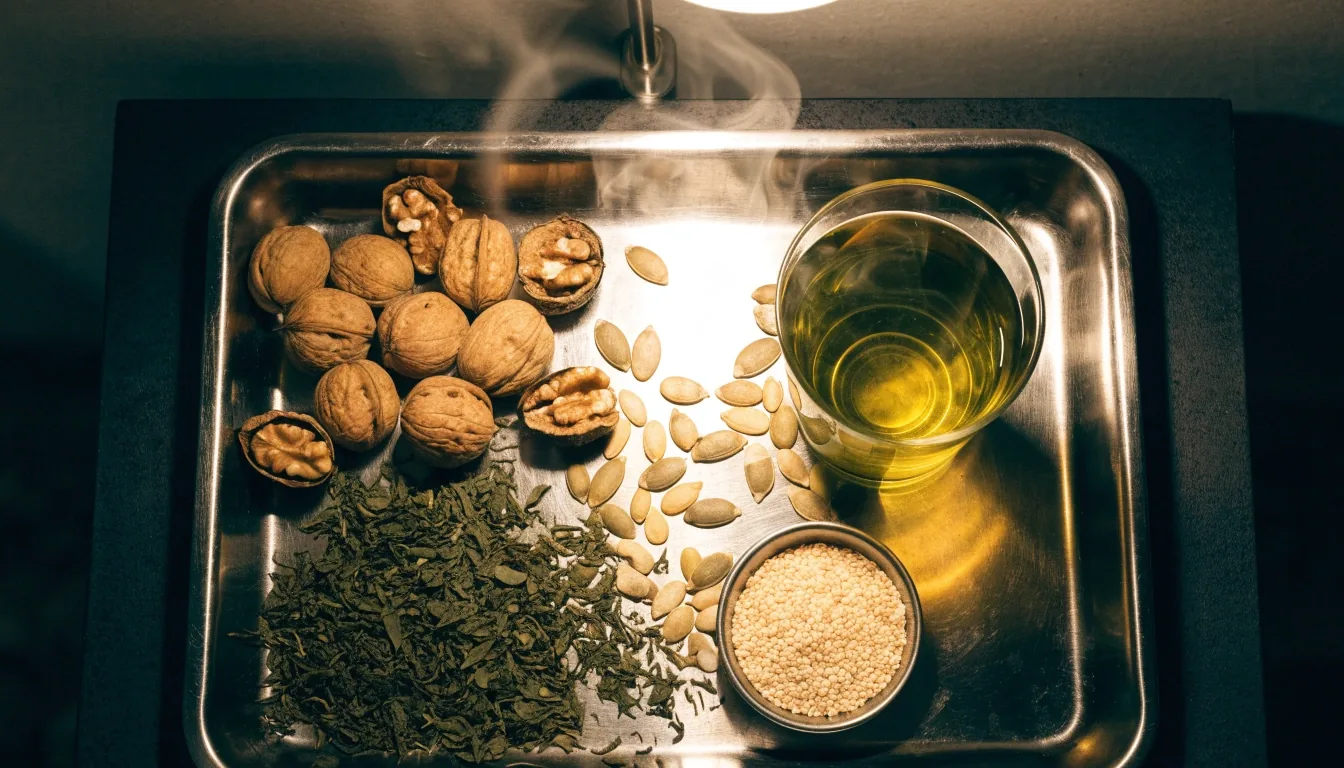
Foods Commonly Linked to Men's Vitality
Pumpkin seeds, walnuts, green tea, oily fish, sesame and Brazil nuts are supermarket items, not performance products. This page shows how they fit into meals you would actually eat on a Tuesday in February.
Why this list looks the way it does
It is not a ranking and it is not a secret. It reflects what appears again and again in UK male fertility nutrition resources and general healthy-eating advice.
Four threads run through the guidance: zinc-rich foods, selenium sources, nuts and seeds, and oily fish inside a mostly plant-forward pattern.
Pumpkin seeds and sesame seeds come up for zinc. Brazil nuts, fish, meat, poultry and eggs come up for selenium. Oily fish stands in for healthy fats. Everything here is a normal supermarket item rather than a supplement aisle purchase, and the list is short on purpose. Nothing on this page is here because it is trending on social media this month; it is here because dietitians keep repeating it.
- Zinc-rich foods
- Selenium sources
- Nuts and seeds
- Oily fish and healthy fats
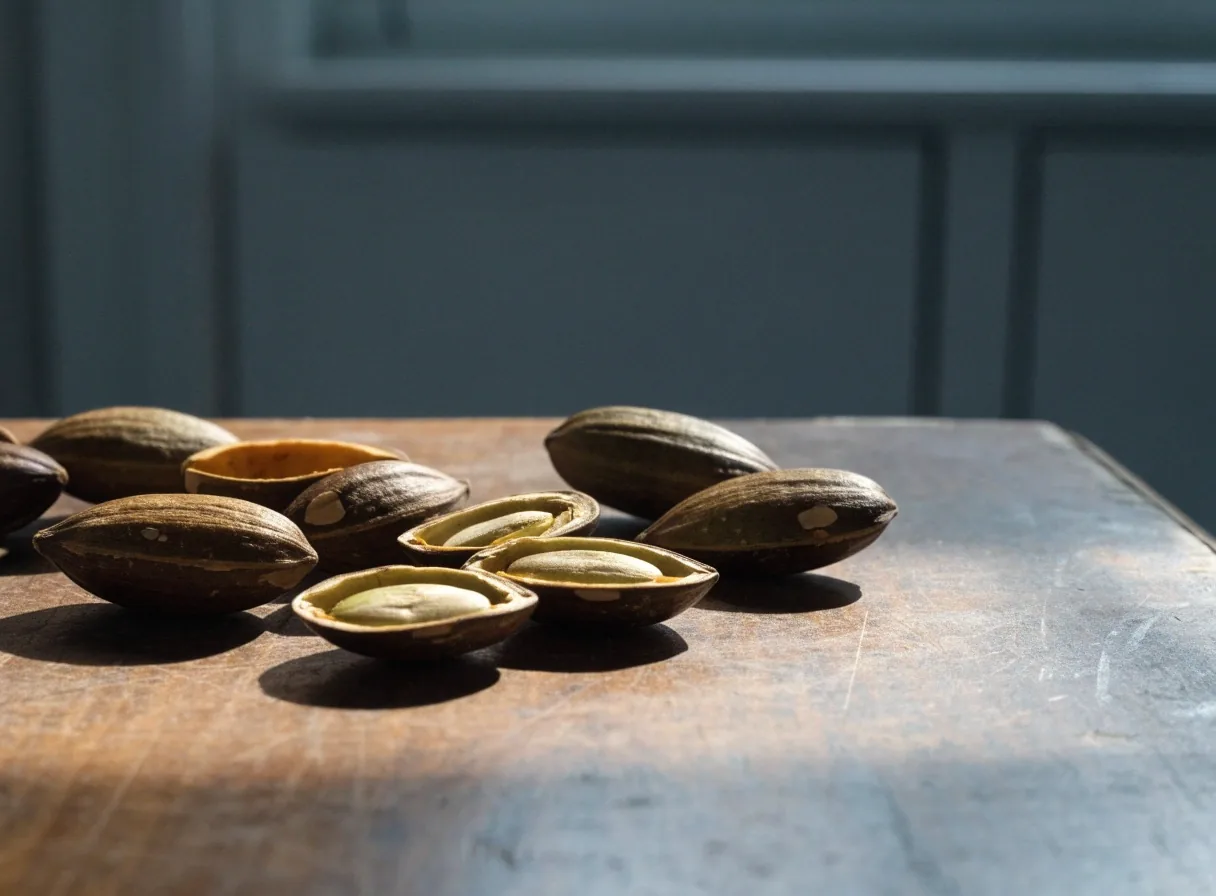
The practical zinc source
No cooking, no soaking. A tablespoon over porridge, a scattering on a salad.
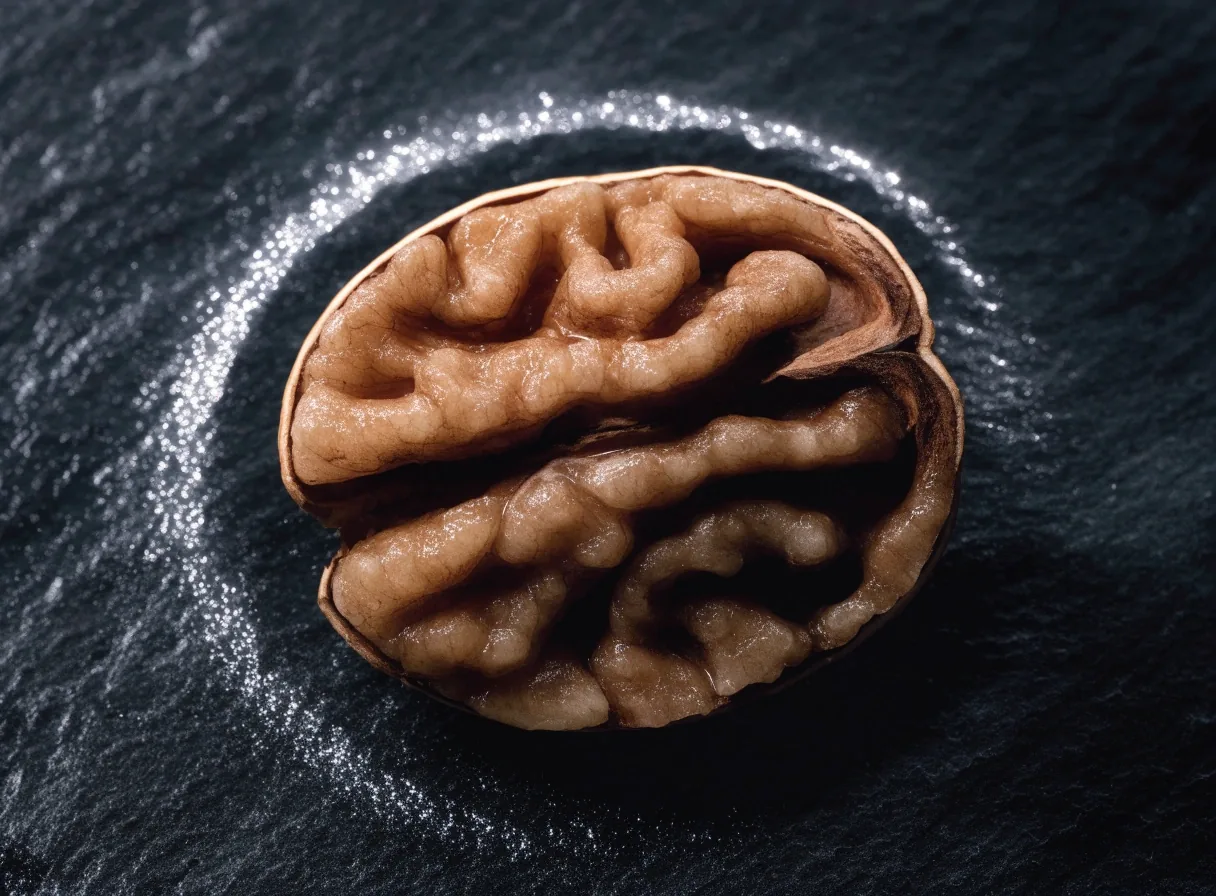
The healthy-fats side
Chopped into yoghurt, broken over a salad, eaten with an apple at 4pm.

Where it actually fits
Its real value for most men is substitution: it replaces something sugary without feeling like a punishment.
Pumpkin seeds: the practical zinc source
They turn up in UK fertility nutrition guidance as a useful source of zinc, and they appear in dietetic advice on foods that may support sperm quality.
What makes them genuinely useful is the format. There is no cooking, no soaking and no preparation window to miss. A tablespoon over porridge, a scattering on a salad, a handful straight from the bag on the way to the station. They are usually discussed as part of a wider nuts-and-seeds pattern rather than a standalone remedy, and they pair naturally with lentils, wholegrains and shellfish. Buy them plain rather than heavily salted and you have a desk-drawer answer to zinc intake that costs less than a coffee.
One portion is a small handful. The page below on zinc, selenium and sperm quality goes further into why zinc is needed at all.
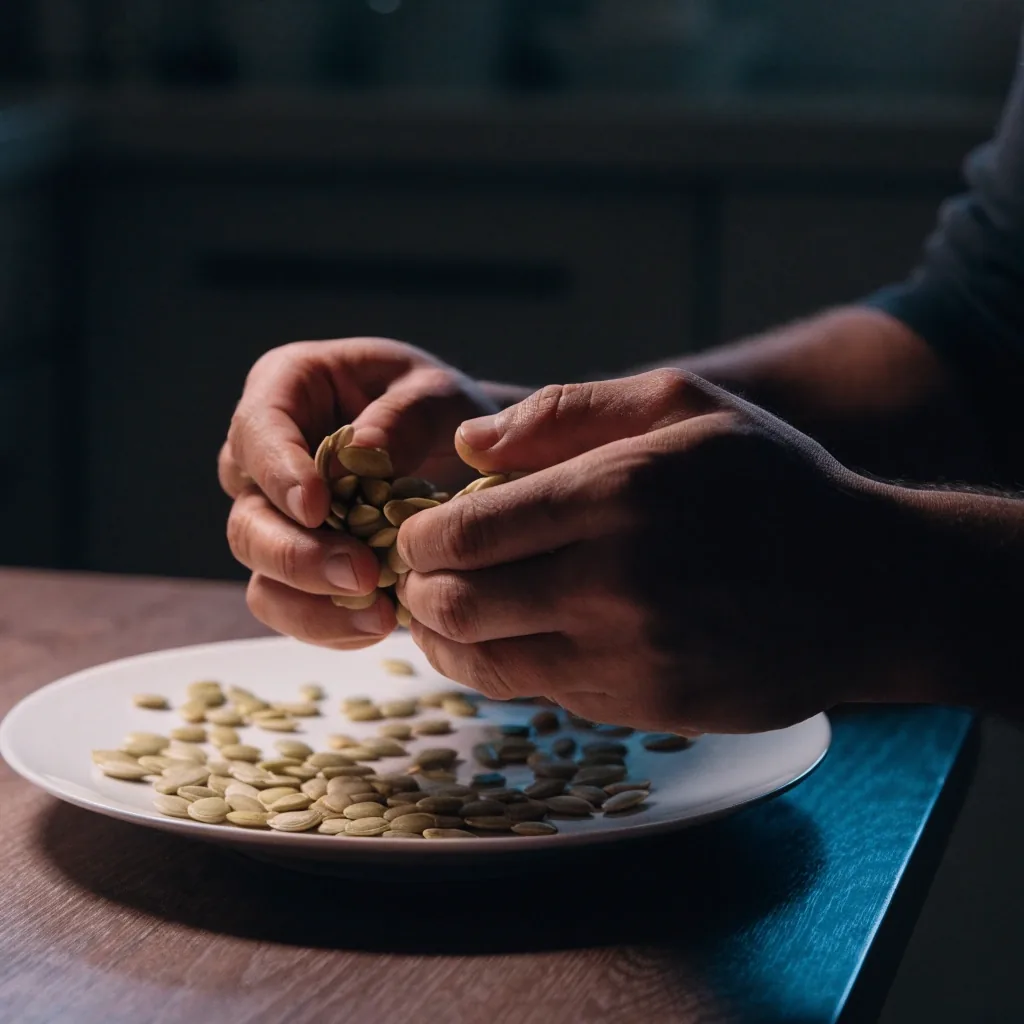
Walnuts and the healthy-fats side
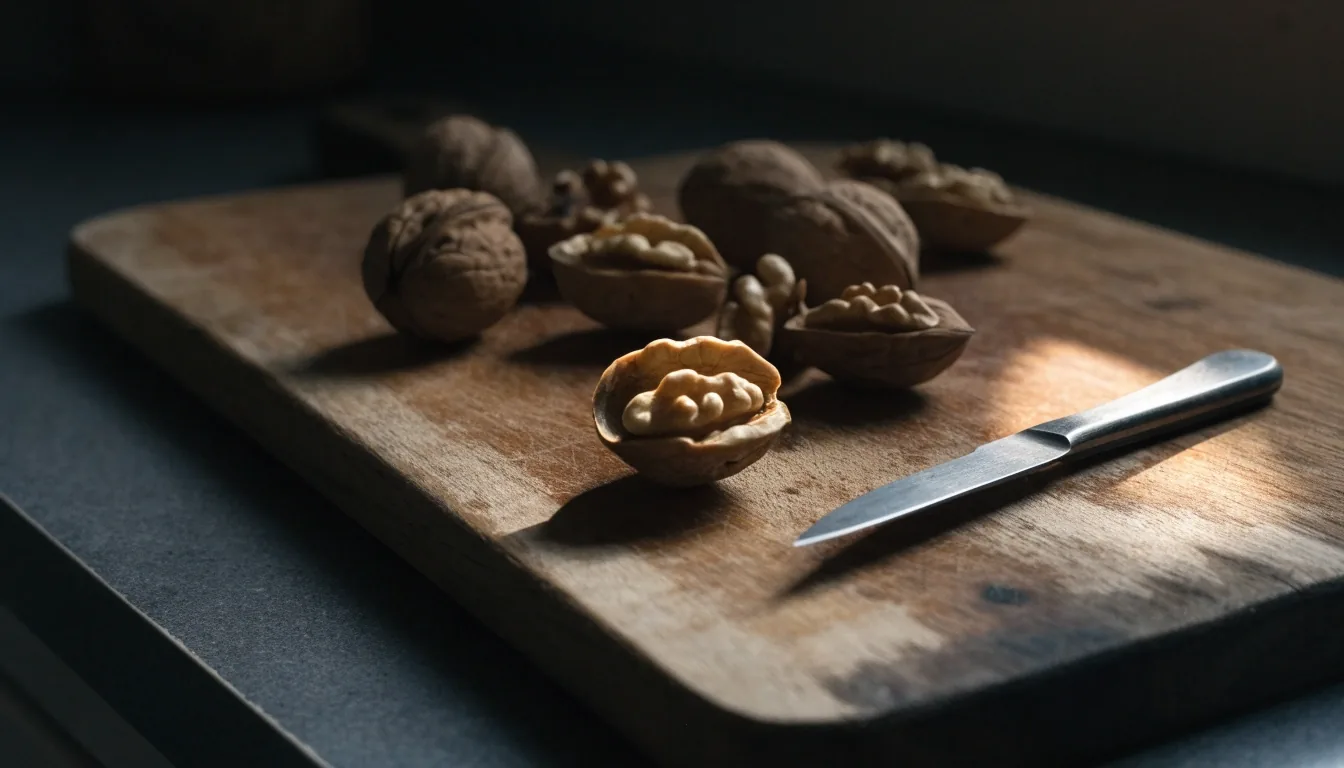
Walnuts belong to the same conversation as oily fish: the healthy-fats half of the topic.
They are easy to include because nothing needs doing to them, and they work in sweet and savoury contexts alike. Chopped into yoghurt, broken over a salad, eaten with an apple while the kettle boils.
As with all nuts, the portion is a small handful rather than the whole bag. The point of including them is variety across the nuts and seeds group, which is how the guidance tends to frame it, rather than any single nut doing a single job in isolation. If you already eat pumpkin seeds in the morning, walnuts cover the afternoon and the two quietly overlap.
Green tea is not a performance product
It shows up in NHS-affiliated healthy-living content as a herbal tea option, grouped with lower-sugar drink choices. That is the honest placement.
What it is genuinely good at
Substitution. If you already drink three coffees a day and no water, swapping one of them for green tea is a modest improvement, not a transformation. Catechins and general antioxidant appeal get discussed in the research, but green tea is less directly tied to male fertility than zinc- or selenium-rich foods.
How to make it stick
Brew it where you already boil water. Keep the bags visible next to the kettle rather than at the back of a cupboard, and drink it at the time of day when you would normally reach for something sweet. It fits the lower-sugar drinks slot in general healthy-eating advice, which is a small practical role and one it performs well.
Three more foods the guidance keeps naming
Oily fish, sesame and poultry do different jobs. Taken together they explain why variety matters more than any single hero food.
Omega-3 fats, the healthy-fats block of the pattern
Tinned sardines on toast, mackerel pâté, salmon stirred through pasta. Tins cost far less than fresh fillets
A plant dietary source of zinc
Tahini thinned with lemon and water becomes a dressing for roasted vegetables, a sauce for fish, or a spread on toast
Selenium and everyday protein
A weeknight protein paired with vegetables and wholegrains. Chicken thigh traybakes, leftover roast chicken in a lunchbox salad
Sesame seeds are mentioned specifically in BDA fertility guidance as a dietary source of zinc. Discussing them alongside pumpkin and sunflower seeds is how that guidance handles variety, rather than singling any one seed out as a lone solution.
How to include these foods without a new routine
Anchor each food to something you already do. None of it needs a meal plan, an app, or a Sunday of batch cooking.
Morning
Seeds go where your breakfast already is: a spoonful over porridge, yoghurt or cereal. Brew green tea where you already boil water.
Afternoon
Walnuts go where your snack already is. Keep a small bag in the desk drawer or the glovebox, and portion it out rather than eating from the packet.
Evening
Oily fish replaces a protein you would have eaten anyway. Poultry fits the same slot. A tin of sardines and a bag of frozen vegetables will cover a midweek dinner in under fifteen minutes.
The shopping decision
What all of this actually needs is for the foods to be in the house, which is a shopping decision rather than a discipline decision. Once the seeds, nuts and tinned fish are sitting in the cupboard, they tend to get used.
What this page is not claiming
No food on this list will transform your health on its own, and we will not pretend otherwise. Zinc-rich foods appear in guidance because zinc is needed for normal body function, not because pumpkin seeds are a cure for anything. Selenium is described in nutrition resources as needed for normal sperm production and development; that is a nutritional requirement, not a promise about outcomes.
The value of eating this way is that it is sustainable, varied and consistent with general UK healthy-eating advice. That is a modest claim, and a true one. If you have concerns about your fertility, energy levels or any symptom that persists, those are conversations for a GP or a registered dietitian rather than something this page can settle. What this page can do is explain the foods, the nutrients behind them and the everyday meals they fit into.
This site is an educational resource about food. It doesn't sell supplements and it doesn't provide medical advice.
Questions this page tends to raise
Short answers to the things people actually ask when they start reading about men's vitality foods.
How much pumpkin seed is a reasonable portion?
Do I need to eat all of these foods every day?
Is green tea better than coffee for this?
Where does this fit with a mostly plant-based diet?
Start with one food, not a plan
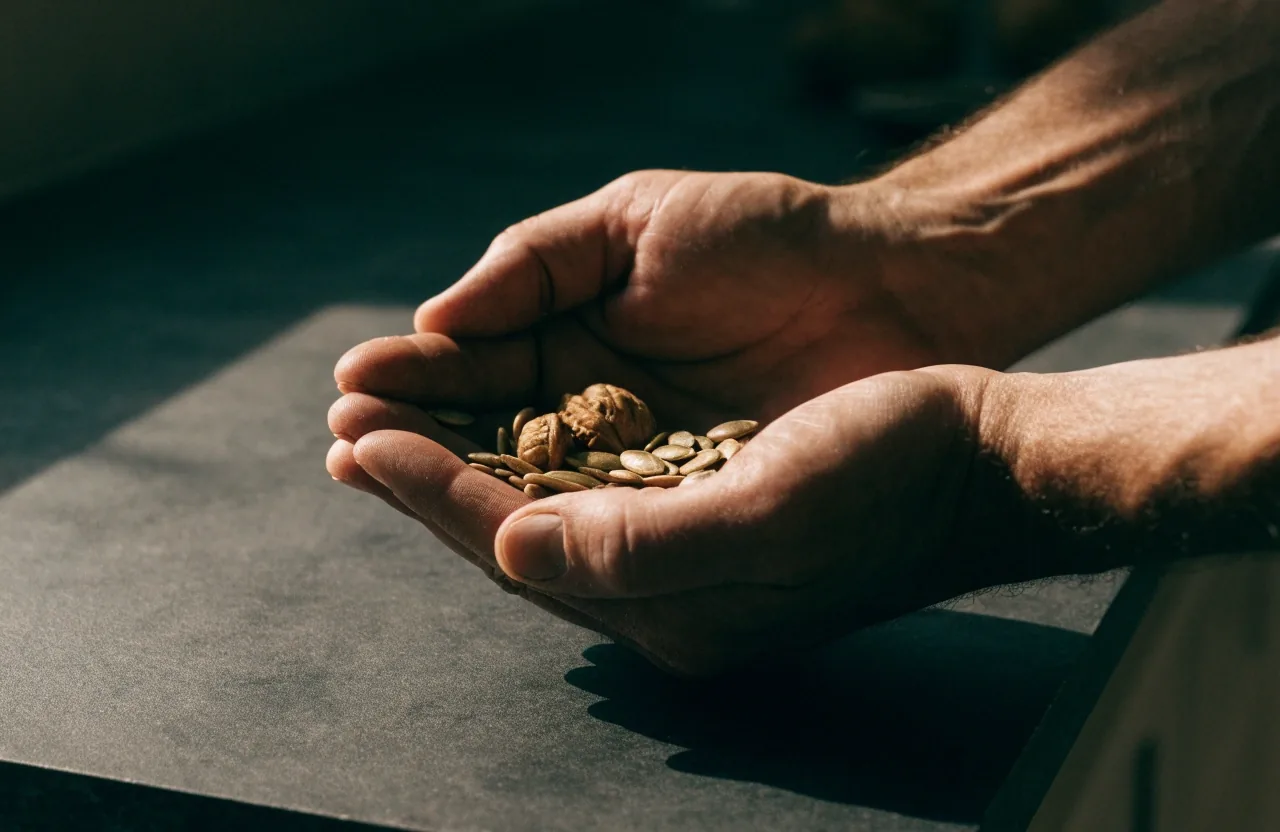
If this page is useful, the next step is small: put one of these foods in the shopping basket this week and see whether it survives contact with a real week.
Strong Mind Your Body
42 High Street, London, EC1A 4JN, United Kingdom
Monday to Friday, 9:00 AM – 6:00 PM
This site is educational and food-first. It doesn't sell supplements or offer medical advice, so nothing here replaces a conversation with your GP or a registered dietitian.