
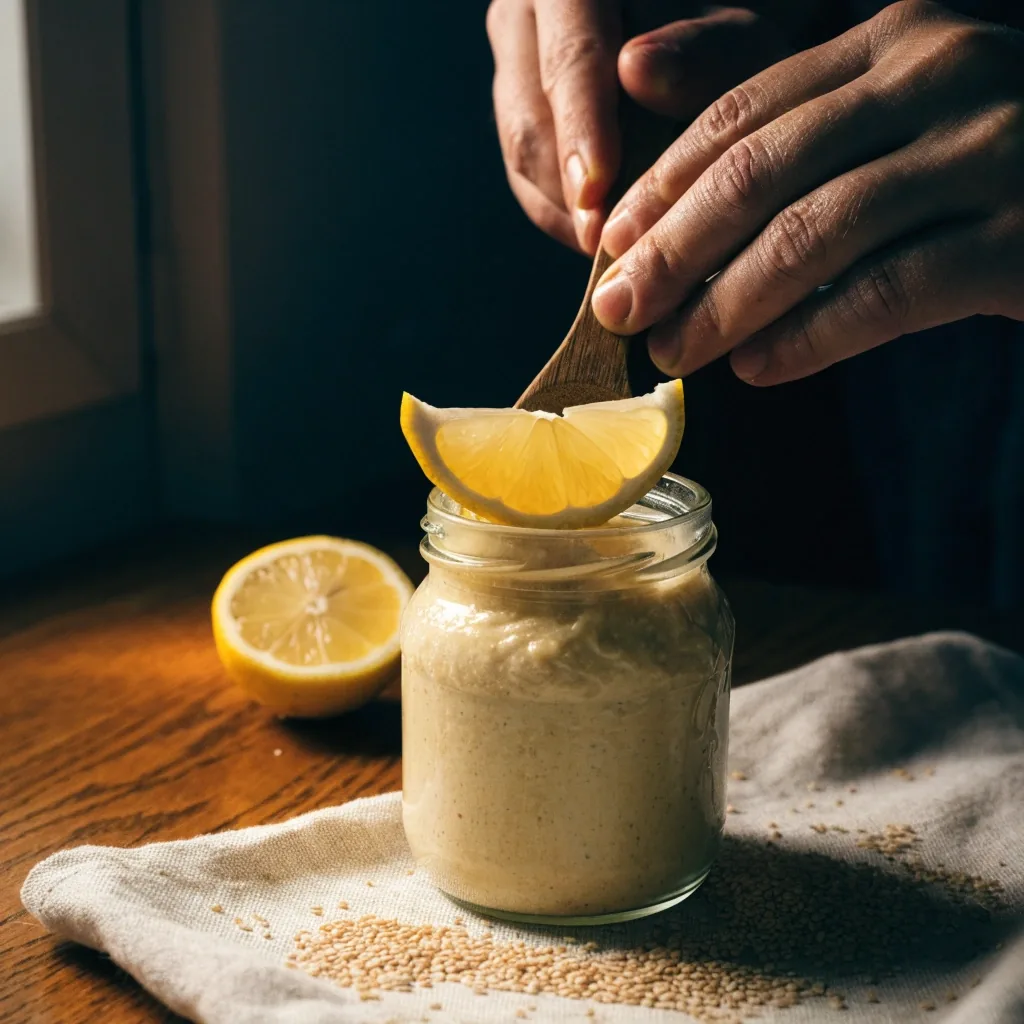
Tahini does the work
Tahini is the most versatile format: loosen it with lemon juice and water and it becomes a dressing, a sauce or a dip. One jar covers weeks of dinners, and the sesame comes along with it.

Zinc and selenium are the two minerals that dominate male fertility nutrition writing in the UK, and for understandable reasons: both are needed for normal reproductive function, and both are obtainable from ordinary food. This page explains why they keep coming up, which foods provide them, and how to include those foods without turning your kitchen into a pharmacy.
The British Nutrition Foundation describes selenium as needed for normal sperm production and development. Zinc plays a comparable role in normal body function, and UK fertility nutrition guidance repeatedly names zinc-rich foods when discussing sperm quality. That combination, a clear nutritional requirement plus a clear food source, is why the two minerals have become the standard entry point for this topic. They are not trendy. They are just well documented.
It also explains the shape of the advice. Guidance talks about foods rather than nutrients in isolation, so pumpkin seeds, sesame seeds, Brazil nuts, poultry and fish turn up again and again across different leaflets, dietitian notes and clinic handouts — each one an ordinary item you can put on a plate this week.

Concentrated sources ask for small portions: two or three Brazil nuts is a realistic daily amount, not a bowlful.

Selenium is commonly linked to Brazil nuts, fish, meat, poultry and eggs. Brazil nuts are the famous source because they are so concentrated, which is also why portion size matters: two or three nuts is a realistic daily amount, not a bowlful. Eggs at breakfast, poultry at dinner, tinned fish at lunch and a couple of Brazil nuts in between covers the ground comfortably. UK soils are relatively selenium-poor, which is part of why the guidance focuses on specific foods rather than on general "eat more plants" advice.
That last point is worth repeating because it changes how you read the rest of this page. When the soil is low in a mineral, plants grown in it carry less — so guidance points at the specific foods that reliably do carry it and leaves the rest alone.
Zinc-rich foods is the phrase you will see most often. Here is where it actually points.
Pumpkin seeds are regularly cited in UK fertility nutrition guidance as a useful source of zinc, and sesame seeds are specifically mentioned in BDA fertility guidance for the same reason. Beyond seeds, lentils, wholegrains and shellfish also feature. For anyone eating plant-forward, seeds carry most of the load simply because they are easy and cheap. A tablespoon of pumpkin seeds and a tahini dressing on vegetables will get you further than an occasional heroic portion.
Short answer: they matter as part of a pattern, not as a fix. Pumpkin seeds appear in dietetic advice on foods that may support sperm quality precisely because they are a practical, regular way to include zinc. Nobody is suggesting a handful changes anything overnight. What matters is that zinc-containing foods show up most days, which is far more achievable with seeds in the cupboard than with a supplement you forget to reorder. Pair them with lentils, wholegrains and shellfish and you have covered the guidance's own examples.
Food-first is a preference this site holds because the guidance holds it — not a rule that fits everybody.
Sesame seeds are a genuinely useful addition for anyone eating mostly plant-based, and not only because of the zinc.
Tahini is the most versatile format: loosen it with lemon juice and water and it becomes a dressing, a sauce or a dip. One jar covers weeks of dinners, and the sesame comes along with it.
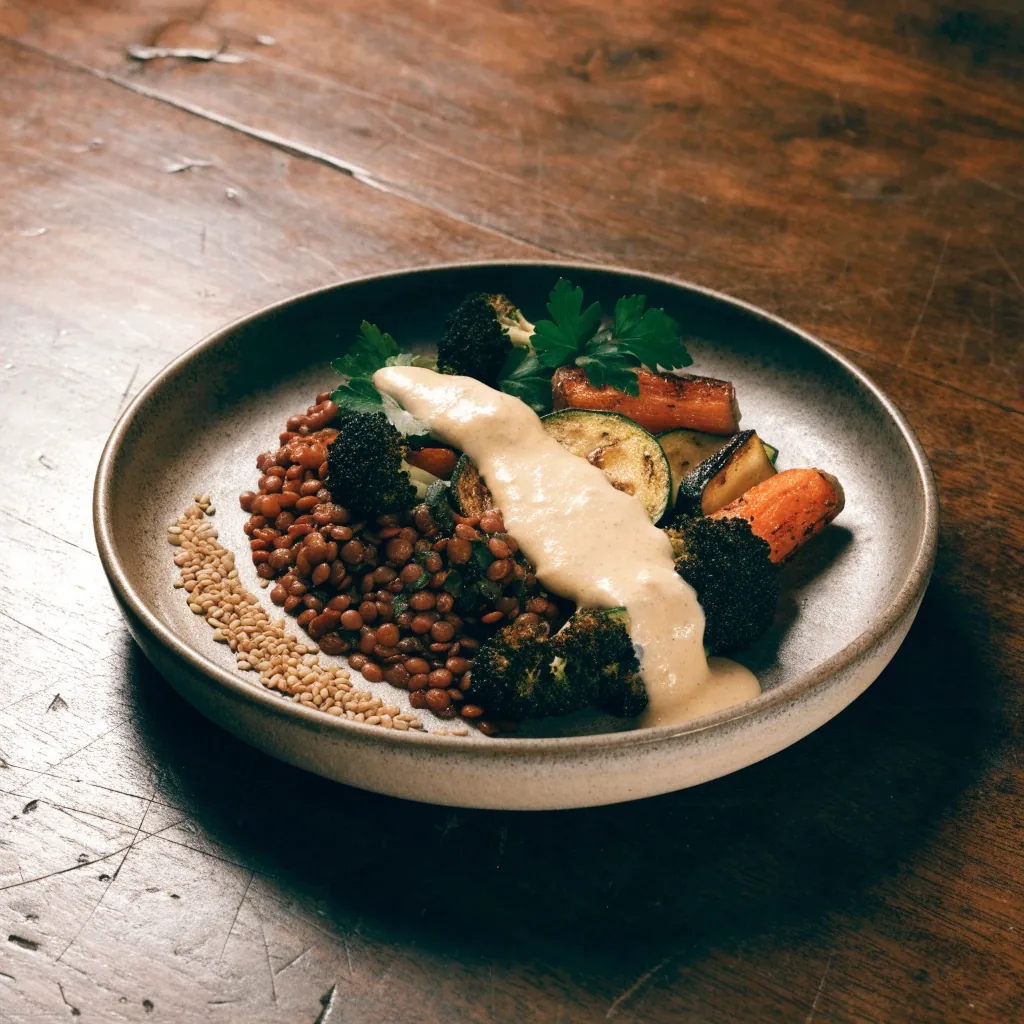
Sesame also appears in baked foods and stir-fries without any effort. The guidance frames it as part of variety rather than a lone solution, which is the right way to read it. If pumpkin seeds are your breakfast habit, sesame can be your dinner habit, and the two together cover more days of the week.
Often the first question, and a fair one. This site takes a food-first position because the guidance itself does: selenium is commonly presented as a nutrient to obtain from food rather than supplements, and the foods involved are ordinary.
That said, food-first is a preference, not a rule for everyone. If you have a diagnosed deficiency, a restricted diet, or you are being treated for a fertility issue, that is a conversation for your GP or a registered dietitian, not for a website. We cover food because food is what we can describe accurately.
A rough pattern: seeds at breakfast most days, oily fish once or twice a week, poultry or eggs several times, a small portion of Brazil nuts on the days you remember, and shellfish occasionally if you eat it. That is not a strict plan and it does not need tracking. It is simply the shape that UK guidance implies when you read it as a whole rather than as a list of individual nutrients. The foods overlap, the minerals overlap, and the week still looks like a normal week.
Six lines, no tracking, no separate shopping trip.
Sperm production is a cycle measured in weeks, so nutritional change is usually discussed over months rather than days. Anyone promising fast results from a mineral is overselling.
What a food-first approach realistically delivers is a diet that includes the nutrients the guidance names, in amounts that come from meals rather than from guesswork. If you are trying to conceive, that is worth doing alongside medical advice, not instead of it. Modest, consistent and boringly sustainable is the honest description.

If this page has done its job, the next step is small: put pumpkin seeds and sesame seeds where you will actually see them, keep a short list of the selenium foods on the fridge, and compare that against what you already cook in a normal week.
Strong Mind Your Body · 42 High Street, London, EC1A 4JN, United Kingdom · Monday to Friday, 9:00 AM – 6:00 PM. This page is general food and nutrition information for adults in the UK, not medical advice. If you are being treated for a fertility issue or have a diagnosed deficiency, speak to your GP or a registered dietitian.