Strong Mind Your Body Strong Mind Your Body
Contact
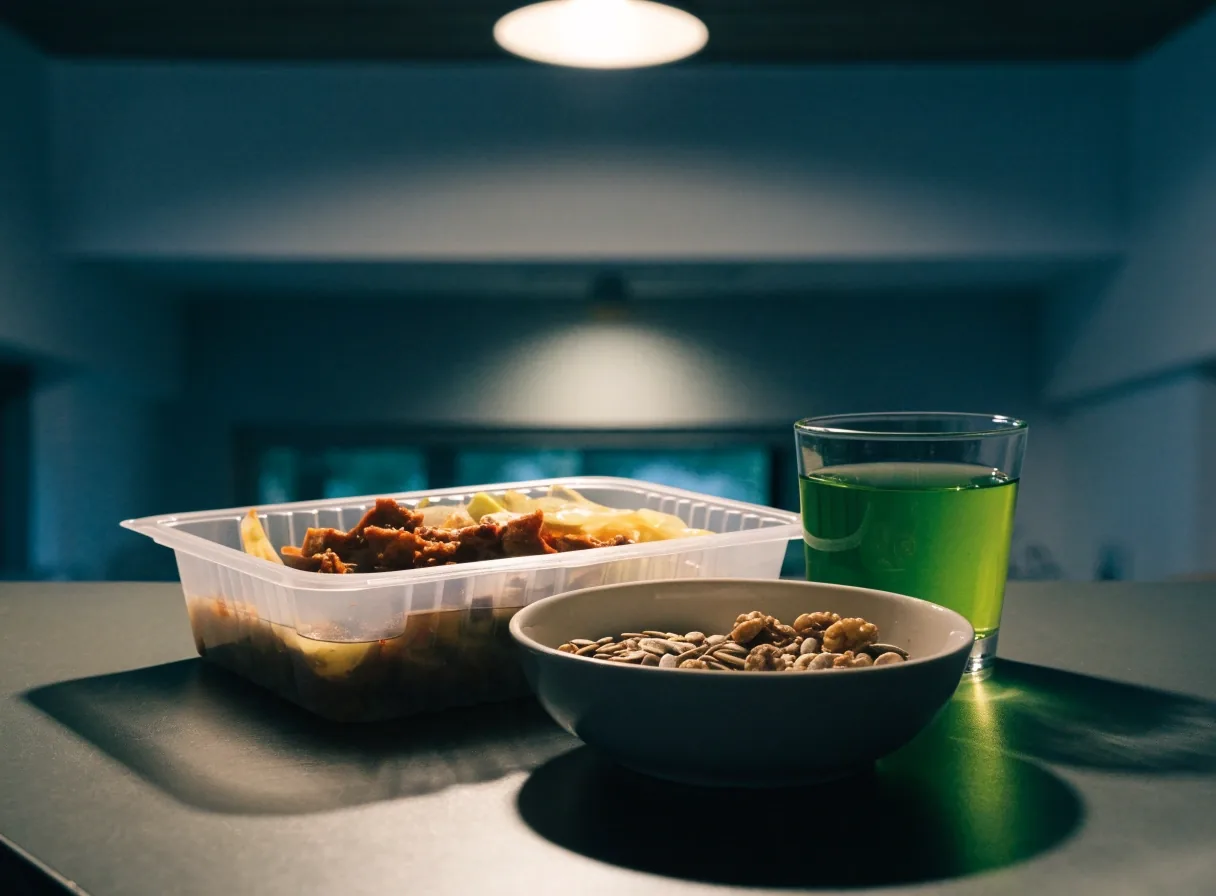
Pumpkin seeds, walnut halves and a glass of green tea on a steel tray under one overhead lamp

A working plate for men who already eat, cooked from the supermarket you already use

Everyday meal ideas for men's vitality

Knowing which foods matter is the easy part. Putting them into a Monday is harder. These are portion-controlled ideas that put pumpkin seeds, walnuts, green tea and oily fish into breakfasts, lunches, dinners and snacks you were already going to eat.

The one rule behind all of these

Every idea on this page follows the same logic: add the useful food to something you were already going to eat. Seeds go where breakfast already is. Fish replaces a protein you would have had anyway. Green tea replaces a drink. Nothing here asks you to cook a separate meal for yourself or to buy an ingredient you will use once.

If an idea needs a shop, it is a shop you would have done anyway. That single constraint is what makes a week of this survivable, and it is the reason the ideas below are written as additions rather than recipes. You are not learning a new kitchen. You are moving three or four foods into positions they can hold without extra time.

Same time The addition cooks alongside what you were already making.
Same shop Seeds, tinned fish and nuts sit on the ordinary supermarket aisle.
Same week Nothing here depends on a good week going well.

Breakfast without a project

Three standard breakfasts with one addition each. None of them is a recipe, which is exactly why they survive a bad week.

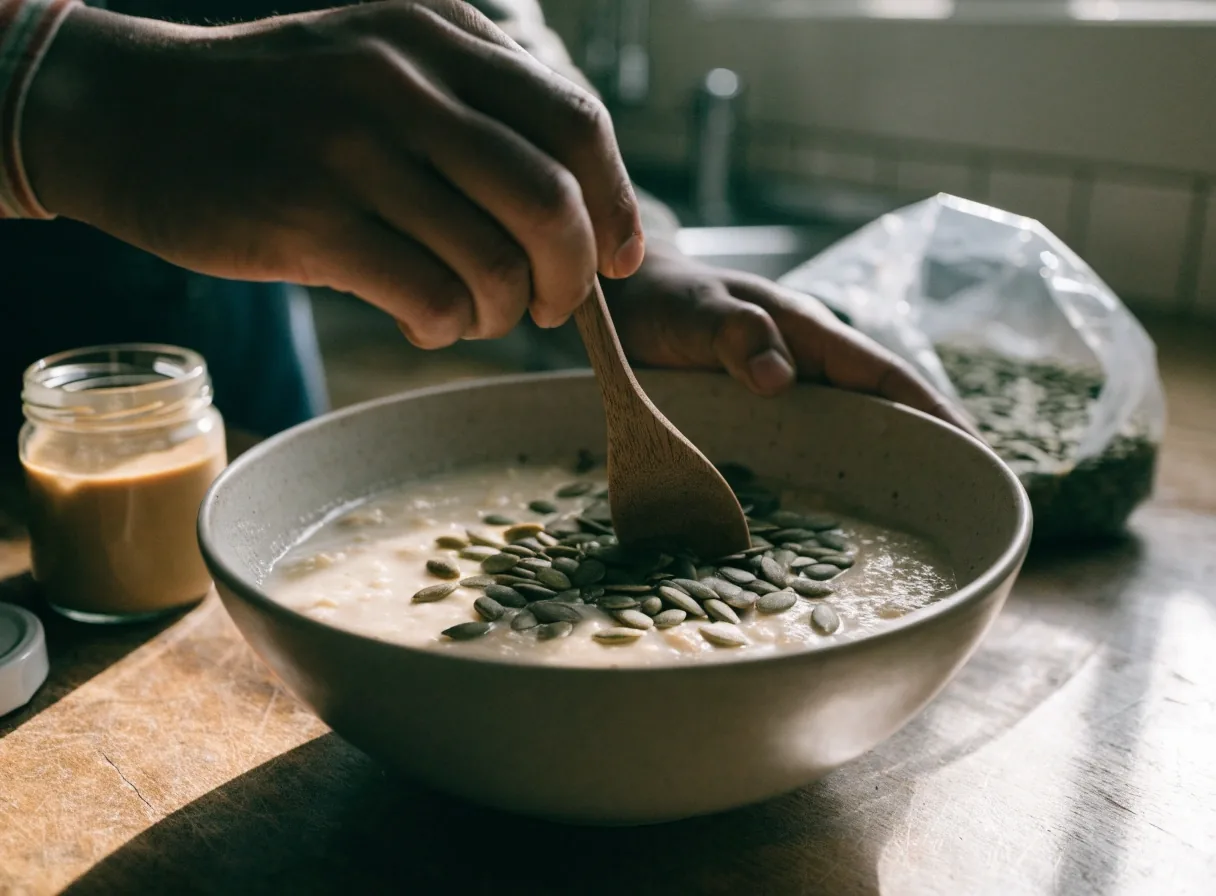
A bowl of porridge topped with pumpkin seeds with tahini alongside
One tablespoon of seeds, twice over

Porridge with pumpkin seeds and tahini

Takes the same time as porridge. A tablespoon or two of pumpkin seeds stirred through, then a spoon of tahini for the last few seconds so it thins into the oats. The seeds carry zinc and the tahini carries a little more, so this is the cheapest useful upgrade in the whole list.
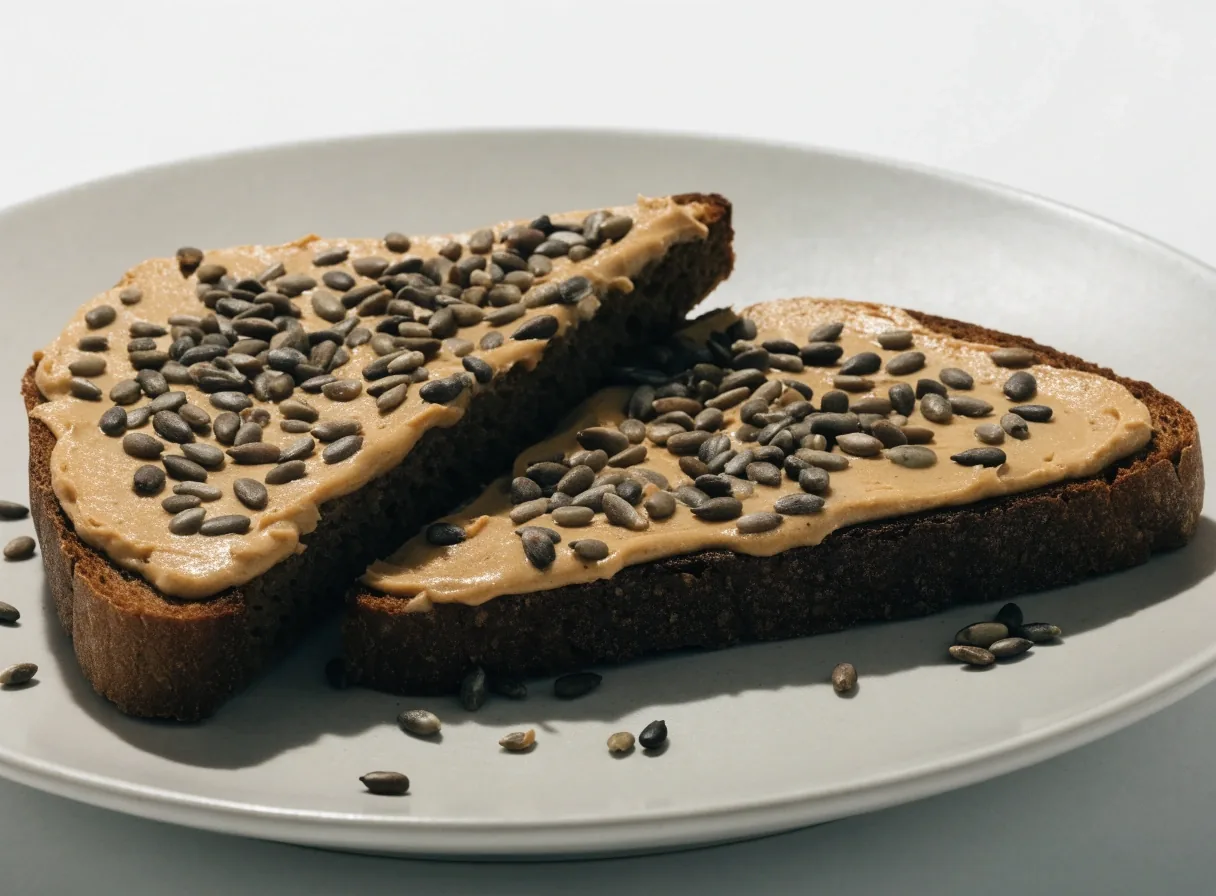
Wholemeal toast with peanut butter and scattered sunflower seeds on a plate
Seeds over the spread, before it sets

Toast, peanut butter, sunflower seeds

If you eat toast, this is the same toast. Wholemeal holds the seeds; white bread lets them roll off. Scatter them onto the peanut butter while it is still tacky, then eat it standing up like you were going to. Sunflower seeds bring the nuts-and-seeds group into a breakfast that had none.

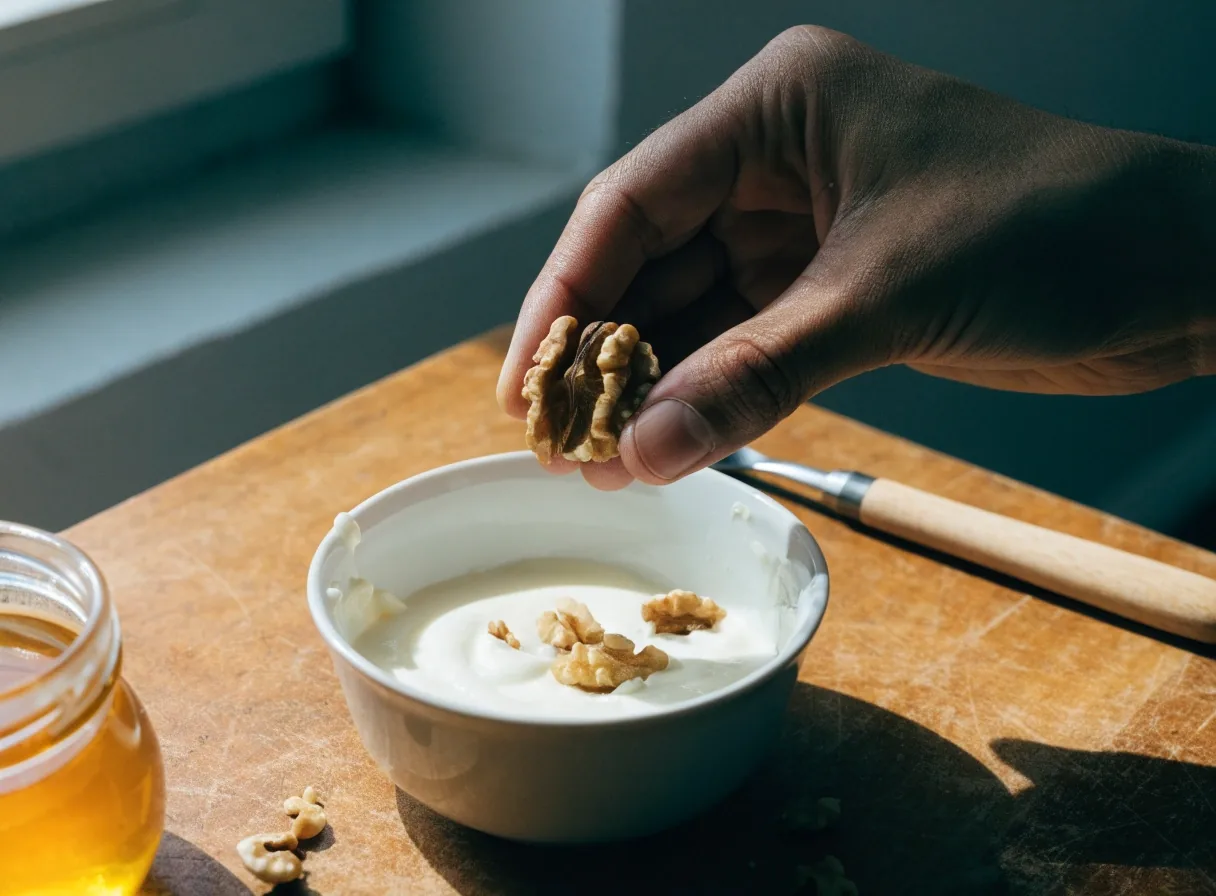
A bowl of yoghurt with walnut halves and honey on a steel counter
Ninety seconds, no cooking

Yoghurt with walnuts and honey

A bowl of plain yoghurt, three or four walnut halves broken over it, a small drizzle of honey. This covers the nuts-and-seeds group in about ninety seconds and works on mornings when porridge will not happen. Buy walnuts in halves rather than pieces; they keep longer and taste of something.

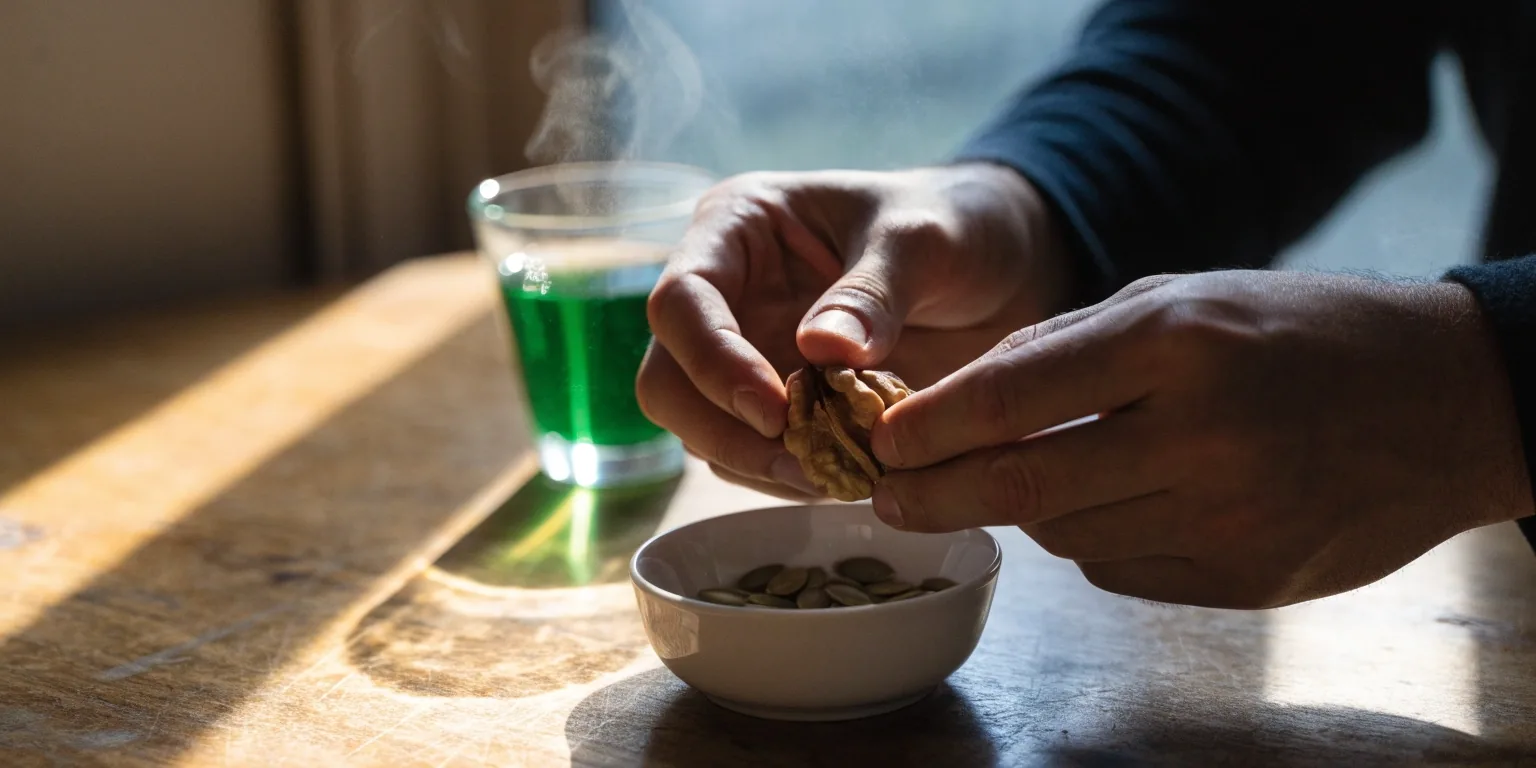
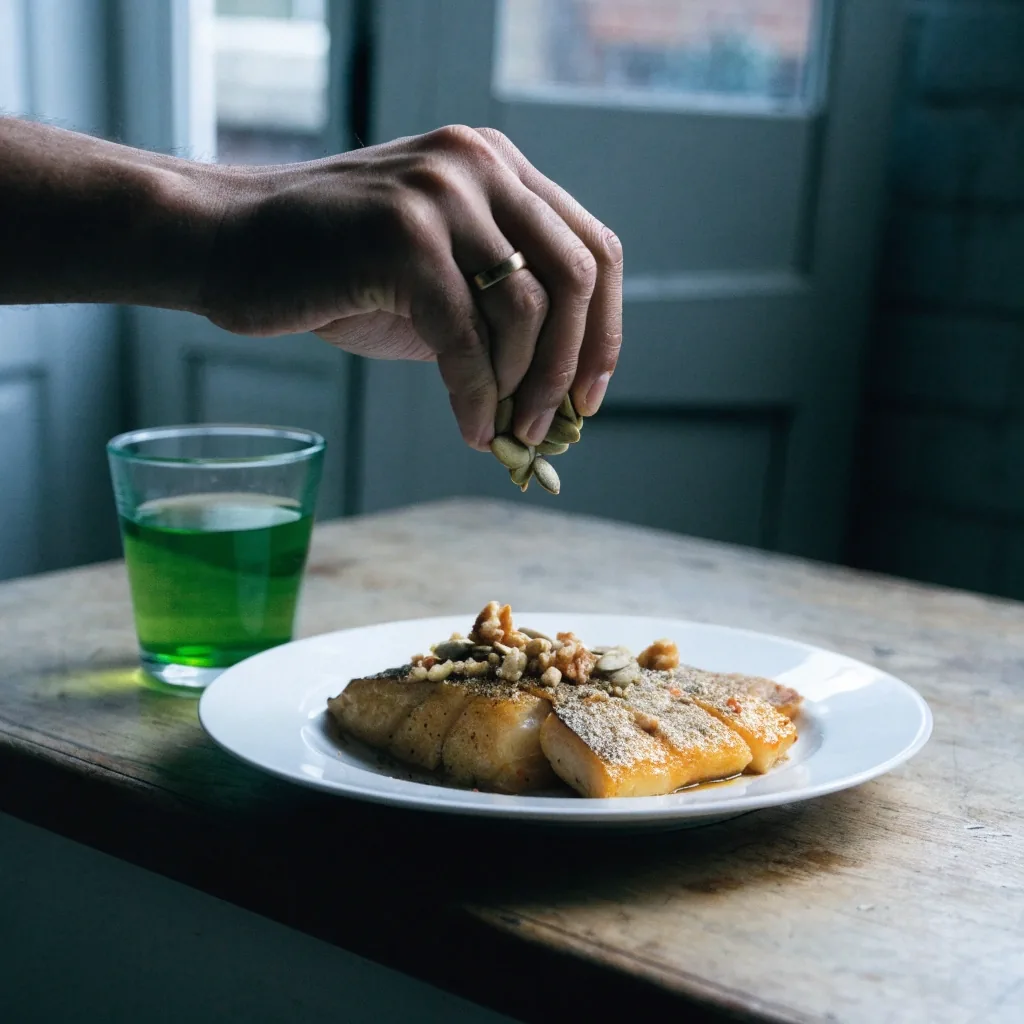
A hand shelling pumpkin seeds over a plate on a dark counter

Seeds go where breakfast already is. Nothing on this page asks you to cook a second meal.

Lunch that travels

Three lunches that survive a lunchbox and none of them needs reheating. If you buy lunch out, a falafel wrap with extra seeds or a salad with olive oil gets you most of the way there.

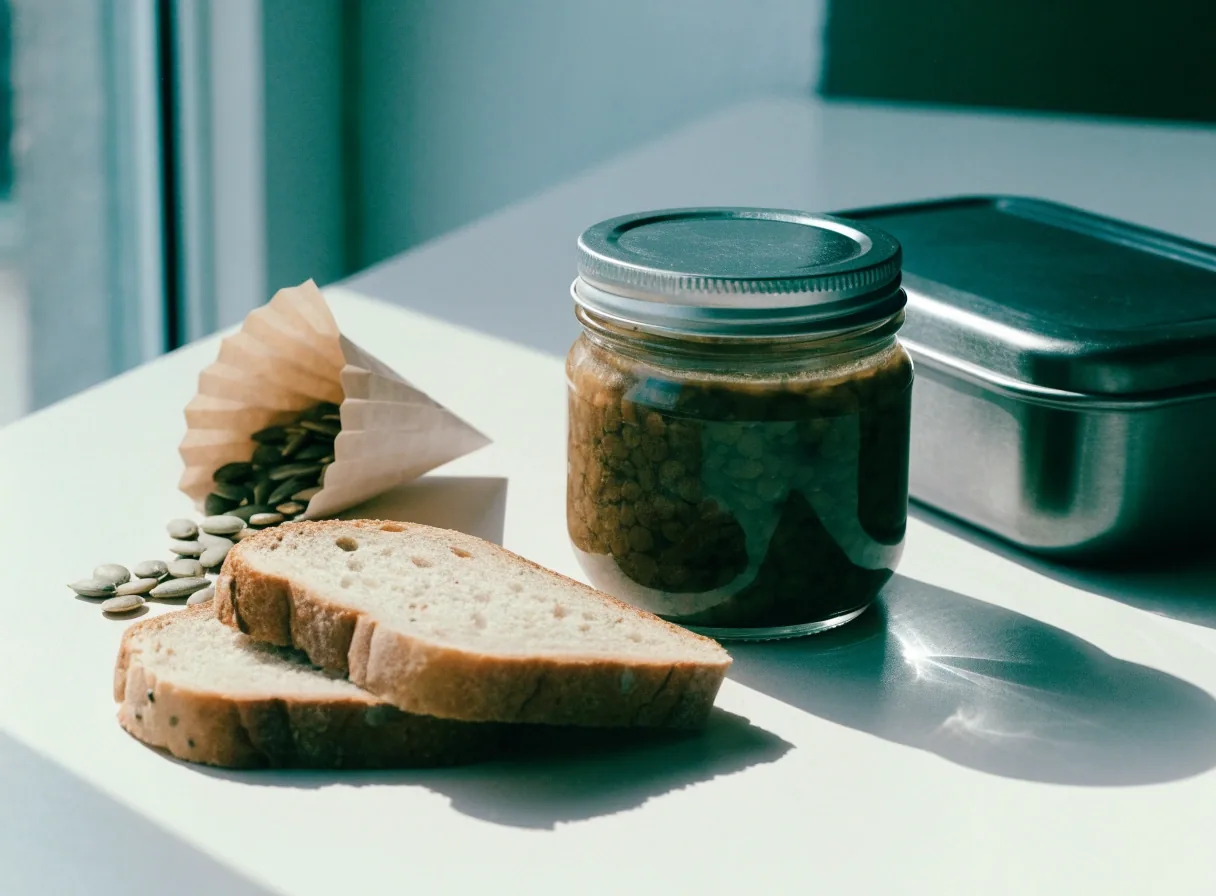
A lunchbox with lentil soup, wholemeal bread and a paper twist of pumpkin seeds

Lentil and tomato soup

with wholemeal bread

A handful of pumpkin seeds stirred in at the end, once the soup is off the heat so they stay whole. Tinned lentil soup or a carton from the chiller both work; the addition is the part that matters. Wholemeal bread to mop, and the seeds bring zinc to a lunch that otherwise runs on vegetables.

A sardine sandwich

on wholemeal, eaten at the desk

This sounds old-fashioned and is genuinely one of the fastest selenium sources available. Tinned sardines in olive oil, mashed onto wholemeal with a fork, a squeeze of lemon if there is one. It travels better than it looks, it costs less than a sandwich shop, and it counts as oily fish for the week.

Chicken with couscous

leftover, chopped peppers, tahini dressing

Sunday's chicken, a mug of couscous, chopped peppers, and a dressing made from tahini loosened with water and lemon. Built from whatever chicken was left over, which means it costs you a lunch you would otherwise buy. The tahini is the same jar used at breakfast.

Dinner in twenty minutes

Each of these is one pan or two, uses frozen or tinned components where it helps, and includes either oily fish, poultry or a plant protein.

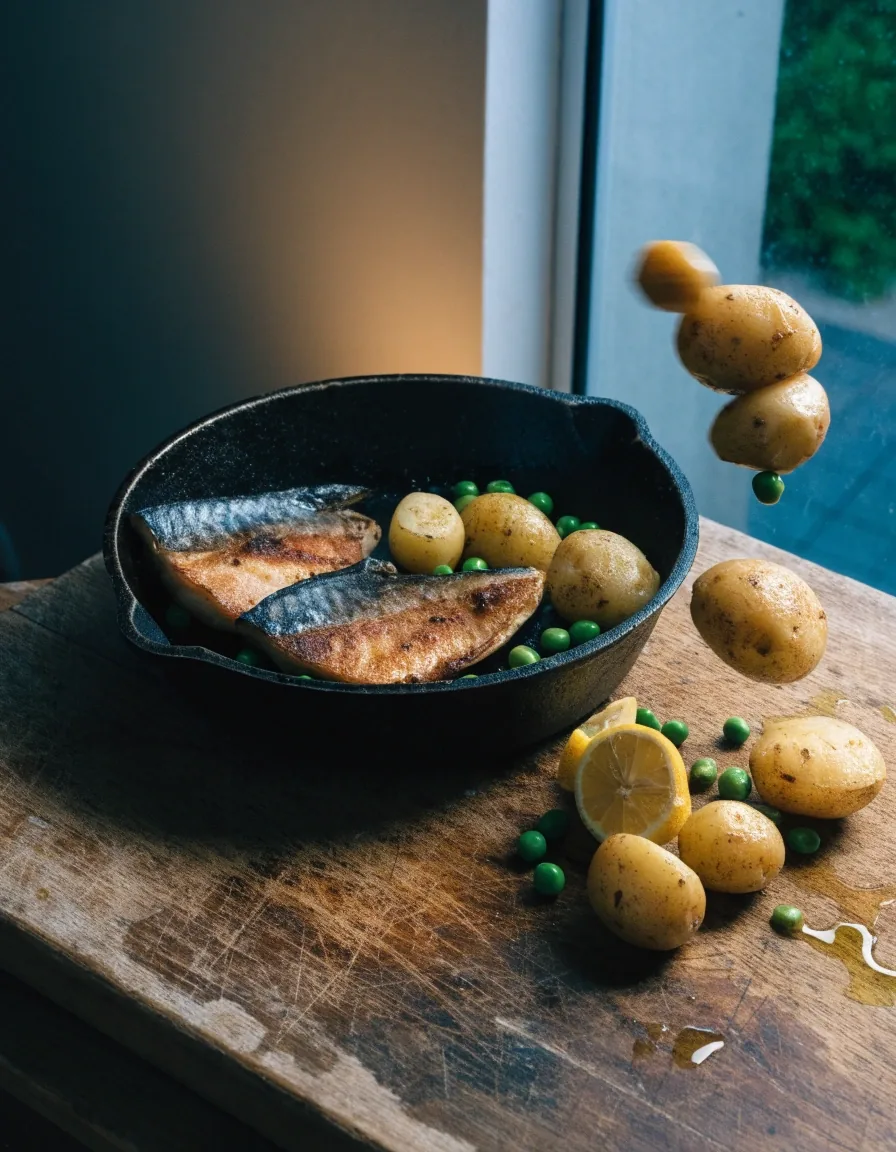
Tinned mackerel, new potatoes, frozen peas

Potatoes on to boil, peas in for the last three minutes, mackerel flaked over the top straight from the tin with its oil. Olive oil over the vegetables rather than butter. This is the fastest oily fish dinner in the list and the one most likely to end up as a habit, because the tin lives in the cupboard and needs no planning.

Chicken thigh traybake with peppers and red onion

One tray, roughly thirty-five minutes at 200C, no attention required after it goes in. Thighs rather than breast because they survive a few extra minutes without drying. Roast more vegetables than you need and Monday's lunch is already made. Sesame oil drizzled at the end adds zinc without changing the dish.

Chickpea and spinach curry with brown rice

A tin of chickpeas, a bag of spinach, a jar of curry paste, brown rice on the side. The plant-protein option, and the one that reheats best if you cook twice as much. Brown rice rather than white because it holds wholegrains in a meal that otherwise has none.

A mackerel fillet on baking parchment with half a lemon, side-lit on steel
Salmon stirred through wholemeal pasta with lemon and olive oil is the fourth option, and the one that needs the least chopping.

Snacks and drinks

The snack slot is where most men either eat nothing until dinner or eat a whole packet of something. Having nuts within reach is the practical fix.

Small handful of nuts Walnuts, almonds, or two to three Brazil nuts and no more. A small handful is the portion; a bowl on the desk becomes three handfuls before lunch.
Apple and peanut butter Cut the apple into wedges and dip. It takes two minutes and it stops the 4pm biscuit run without any willpower involved.
Green tea, swapped in In place of one fizzy drink or the fourth coffee of the day. Green tea's role here is substitution, not magic: you are moving one drink, not adding a supplement.
Containers, not packets Keep the portions small and the bag out of the desk drawer. A small container works better than a large one, and that is a logistics point rather than a nutrition point.

A sample day, assembled

That day covers zinc, selenium, healthy fats and wholegrains without a single unusual ingredient or a supplement. It also costs less than a lunch bought out.

Breakfast Porridge with pumpkin seeds and tahini.
Mid-morning Green tea and a small handful of walnuts.
Lunch Lentil soup with wholemeal bread.
Afternoon Two Brazil nuts and an apple.
Dinner Mackerel with new potatoes and peas, olive oil over the vegetables.

Portion control without weighing things

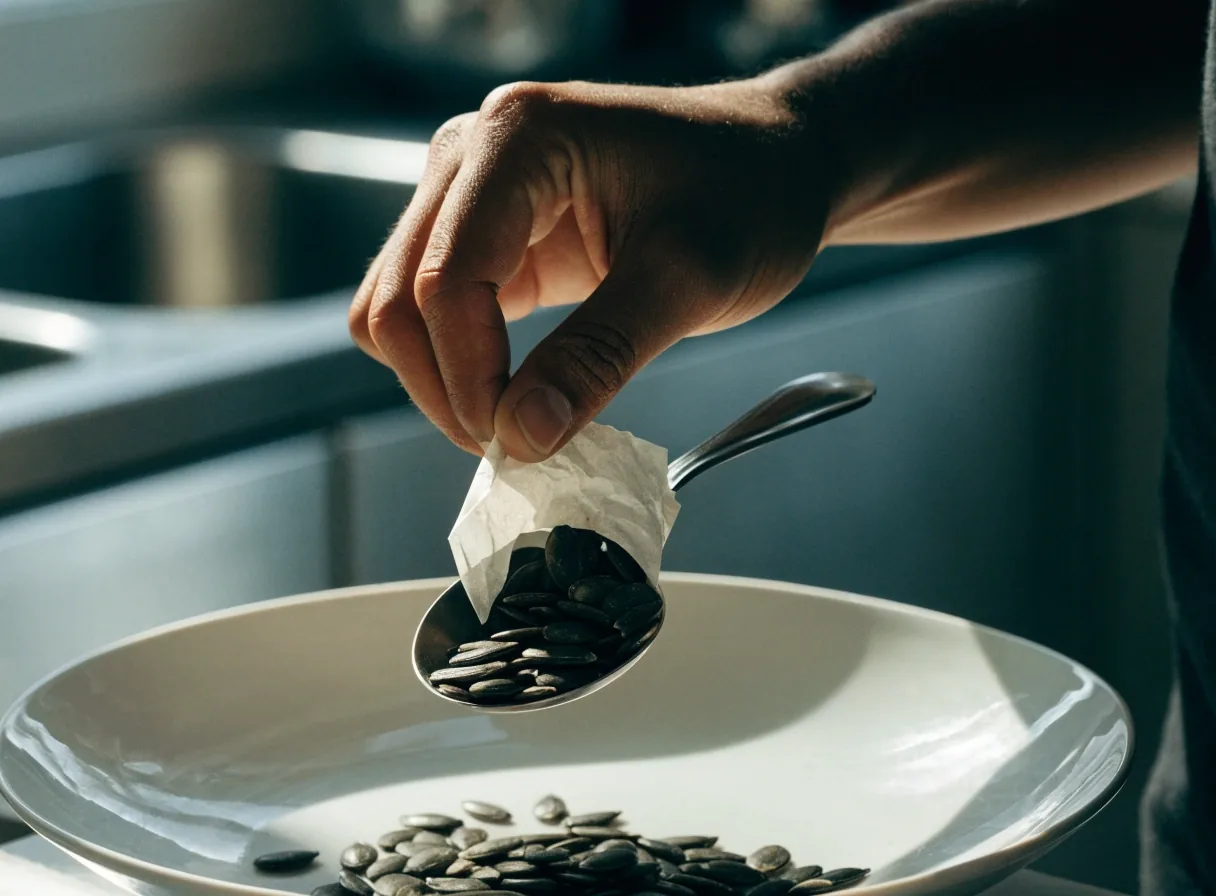
Pumpkin seeds filling a metal tablespoon on matte white porcelain
Seeds

A tablespoon is a portion. Two if it is the main addition to a meal.

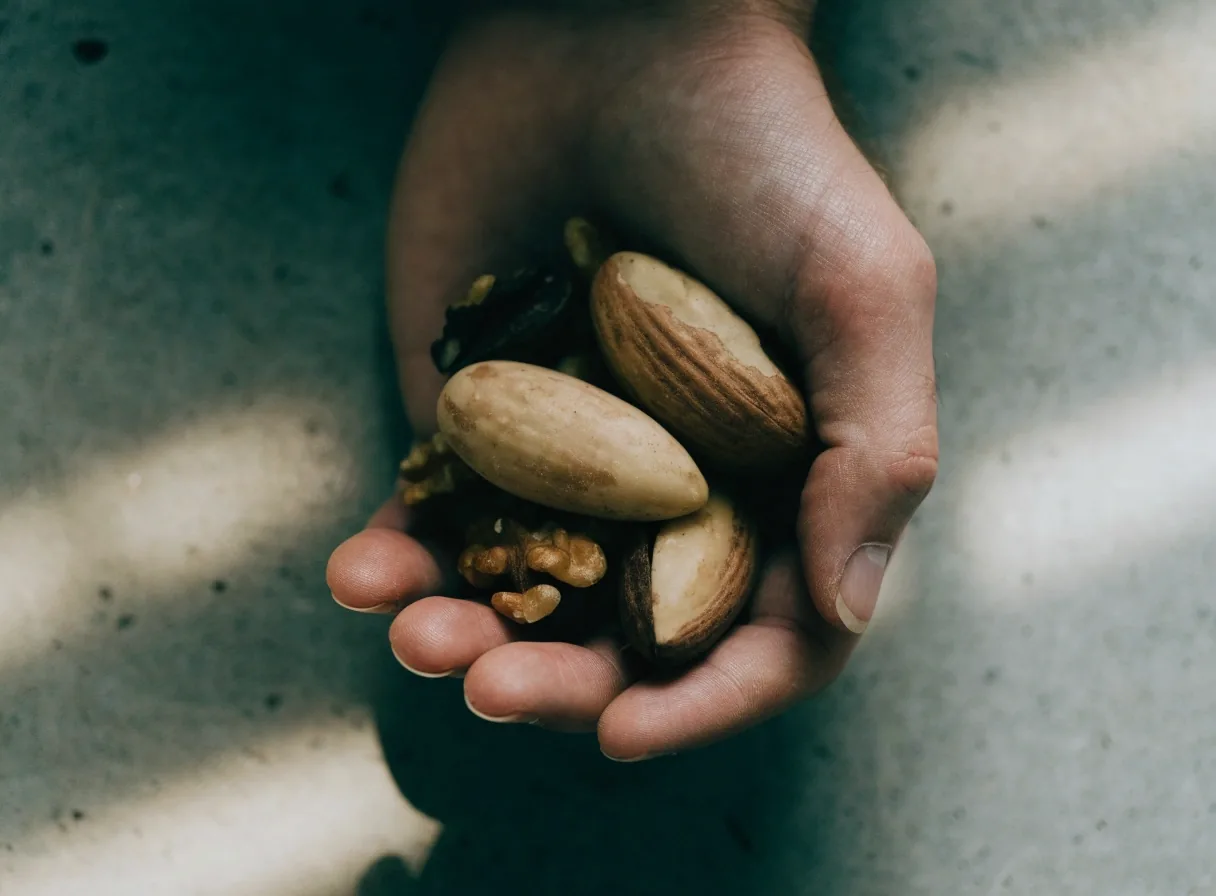
Three Brazil nuts and walnut halves held in an open hand
Nuts

A small handful is a portion. Brazil nuts are the one place to be deliberate.

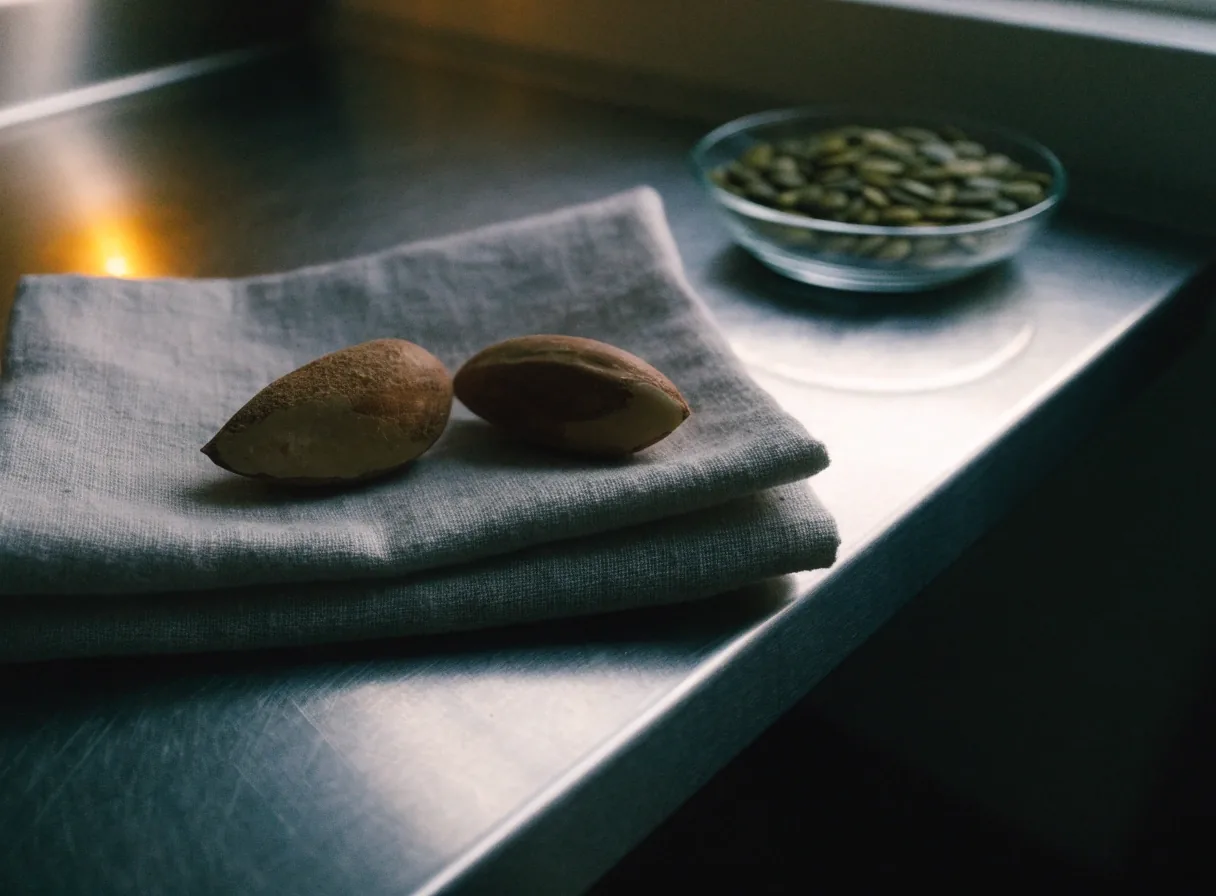
Two Brazil nuts beside a small bowl on a plain counter
Brazil nuts, capped

Two or three a day is the sensible amount rather than a bowl.

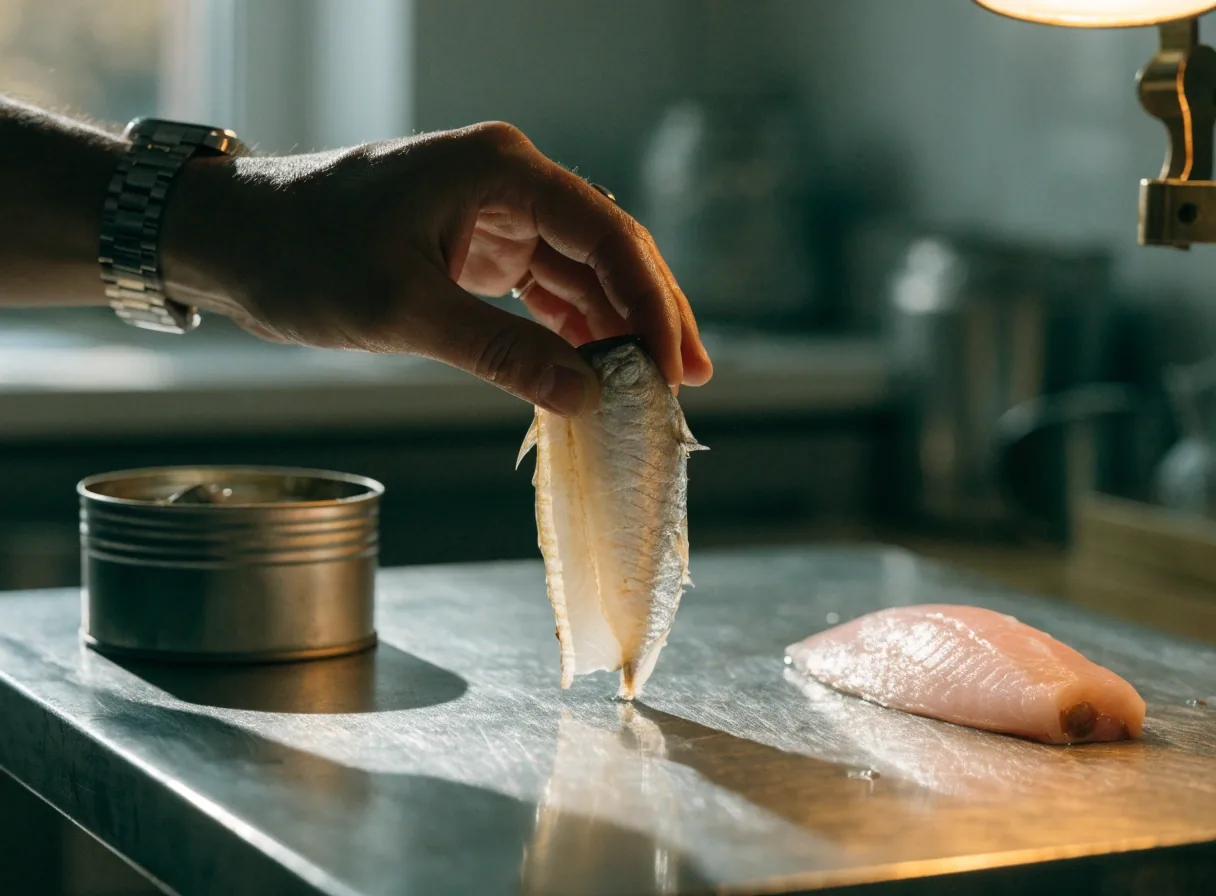
An open tin of mackerel beside a fresh fish fillet on a steel tray
Fish

Portions follow the ordinary supermarket fillet or tin. No scales needed.

If you find yourself measuring everything, the pattern has stopped being practical, and practical is the entire point of eating this way. Use your hand and your usual crockery and the portions take care of themselves.

Cooking once and eating twice

Most of these ideas double without extra effort. Cook double the brown rice, roast a second tray of vegetables, make a bigger batch of lentil soup on Sunday. Two dinners and two lunches from one cooking session is the difference between a pattern you follow and one you abandon by Thursday.

That is a logistics point, not a nutrition point, but it decides which of the two happens. The foods that matter here all keep or reheat well: seeds and nuts sit in a jar, oily fish is just as good cold, and wholegrains are better on the second day than the first.

Send us your own meal idea
Sunday, one session Lentil soup for four, brown rice for four, a second tray of roasted peppers and red onion.
Monday lunch Lentil soup and wholemeal bread, pumpkin seeds stirred in at the last minute.
Monday dinner Chickpea and spinach curry over the leftover brown rice, sesame oil at the end.
Tuesday lunch Chicken with couscous, the roasted peppers and a tahini dressing made in a mug.
An open takeaway container with a bowl of seeds and walnuts and a glass of green tea beside it

When you eat out or order in

Takeaways do not break a pattern. A pattern with no takeaways in it breaks. If you order in, add seeds to whatever arrives, or have a handful of walnuts afterwards. If you eat out, choose the fish option when it is there and take the vegetables seriously. The rest of the day still counts.

The men who get the most out of this approach are not the ones who eat perfectly. They are the ones who add the useful foods to the meals they were already having, including the ones that came in a bag. That is the whole method, and it is why none of the ideas above needed a new skill or a specialist shop.

Questions that come up

Practical answers about fitting these ideas into a working week. If your question is about a nutrient rather than a meal, the zinc and selenium page goes into it in more detail.

Do I need to buy anything unusual for this?
No. Pumpkin seeds, walnuts, sunflower seeds, tinned sardines or mackerel, tahini, green tea and brown rice all sit on an ordinary supermarket aisle. If an idea needs a shop, it is a shop you would have done anyway.
How much fish should I actually be eating?
The tinned mackerel dinner, the sardine sandwich and the salmon pasta all count. One or two oily fish meals a week is the usual guidance in the UK, and a tin counts the same as a fillet for this purpose. If you are pregnant, or taking medication that interacts with diet, ask a qualified professional about your own situation.
Do the seeds have to be raw?
Raw or roasted both work, and salted ones are fine unless you are watching your salt. Roasted seeds taste stronger, which usually means you keep eating them after the first week. Buy them in a bag you will finish rather than a tub that goes stale at the back of the cupboard.
Is this a diet or a supplement plan?
Neither. This page describes food, not a product, and nothing here replaces advice from a qualified professional. If you are considering a supplement, or you have a diagnosed condition, talk to a doctor or dietitian before changing what you eat.
What if I miss a few days?
Nothing breaks. This is a pattern rather than a course, and the additions are meant to ride on meals you were having anyway. Start again at the next breakfast instead of waiting for a Monday.

Where to go next

Three routes from here, depending on what you want to look at next. Each one goes deeper into a single part of this page.

Eat something from this page this week, then tell us what you actually made. We read every message and add the good ones to the list.

Send us your own meal idea